A threat to vulnerable populations
Napolitano added that most victims are recruited.
“They are identified by the perpetrator or trafficker as being vulnerable and people are vulnerable for lots of reasons. They’re experiencing homelessness, they’re using drugs, they’re desperately looking for work,” Napolitano explained, saying that many victims had a traumatic childhood. “They’re looking for love and inclusion, and a trafficker reaches in and offers that person the thing they need — that love, the bus ticket, the job, the housing — and kind of hooks them that way.”
Katlyn Pryshlak, the hotline and advocacy manager at the Laboratory to Combat Human Trafficking, adds that the hotline is so important because most trafficking victims have a difficult time reaching out.
“There's a lot of stigma and shame around the experience of being trafficked and losing control over your life," Pryshlak said, "so when a human trafficking survivor shows up at the hospital or school, they’re not going to be that person who’s saying ‘help!’”
And that also makes many human trafficking cases difficult to prosecute in court, explained Napolitano, who said that only a few hundred cases have been prosecuted in Colorado over the last several years.
“Many of the people affected by these crimes are from marginalized communities, so they don’t feel comfortable, they don’t feel safe reporting the crimes," she said. "They don’t feel like they will be be loved or supported and in many cases they are criminalized because of crimes they were forced to commit as a result of their trafficking.”
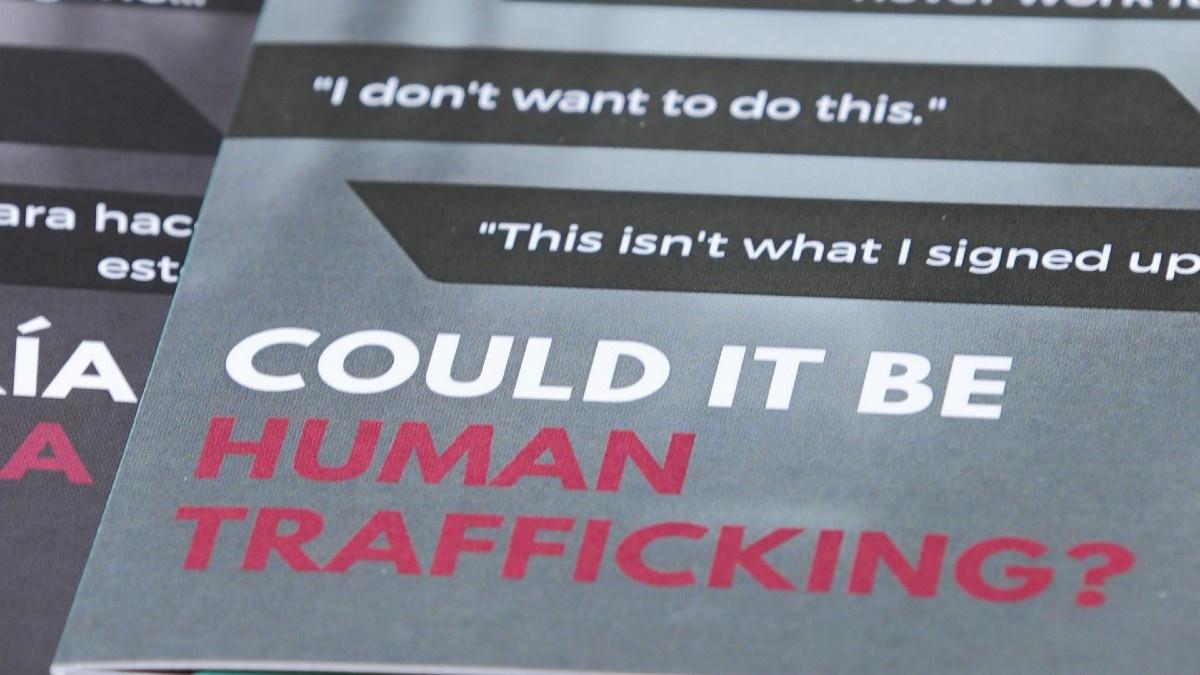
Perpetrators of trafficking target and manipulate their victims, taking over their lives. If you suspect someone you know is in a trafficking situation, call Colorado’s Human Trafficking Hotline at 866-455-5075, or text 720-999-9724.
Brian Willie is the content production manager at Rocky Mountain PBS. You can contact him at brianwillie@rmpbs.org.
Dana Knowles is a multimedia journalist at Rocky Mountain PBS and can be reached at danaknowles@rmpbs.org.



.jpg)