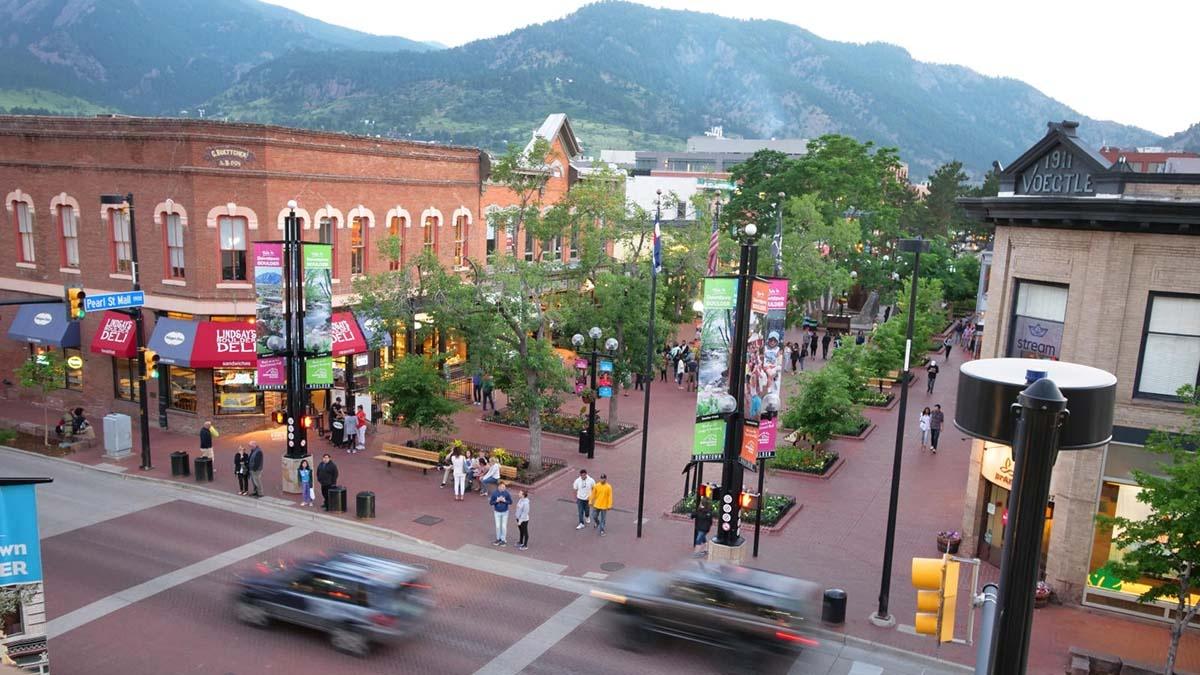


BOULDER, Colo. — In 2017, National Geographic named Boulder, Colorado the "Happiest City in the United States." Citing "breath-taking scenery, a pleasant climate, a charming downtown and enough outdoor activities to keep even the most active person busy," National Geographic's accolade is just one of many that uplift Boulder as having a higher-than-average quality of life.
While scenery, climate, and outdoor opportunities cannot be denied, defining "quality of life" by these things alone created a question for three Boulder County residents: Is it really the happiest place in the United States for those who are Black?
Filmmakers Beret Strong and John Tweedy have traveled the world making documentaries since the 1990s, and for years, wanted to bring their work closer to home. After learning there were a lot of people in their community that didn't agree with the "Happiest City in the United States" designation, they determined to uproot the racism in their own backyard.
Over years of work and collaboration with filmmaker Katrina Miller, the couple worked to capture the voices and experiences of Boulder residents who aren't always heard from. The resulting production is an hour-long documentary titled "This Is [Not] Who We Are," set for a broadcast premiere April 20 at 8 p.m. on Rocky Mountain PBS.
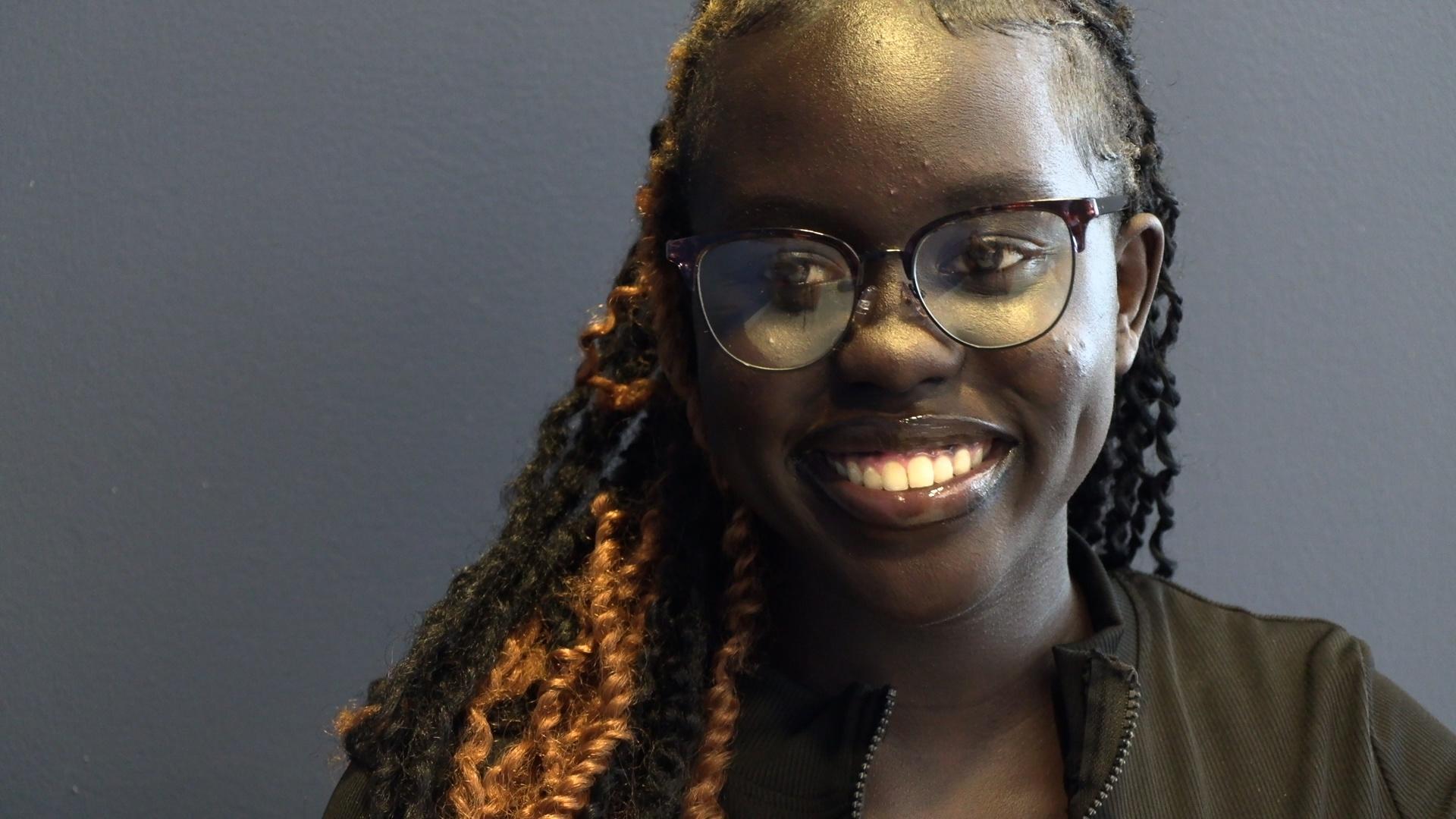
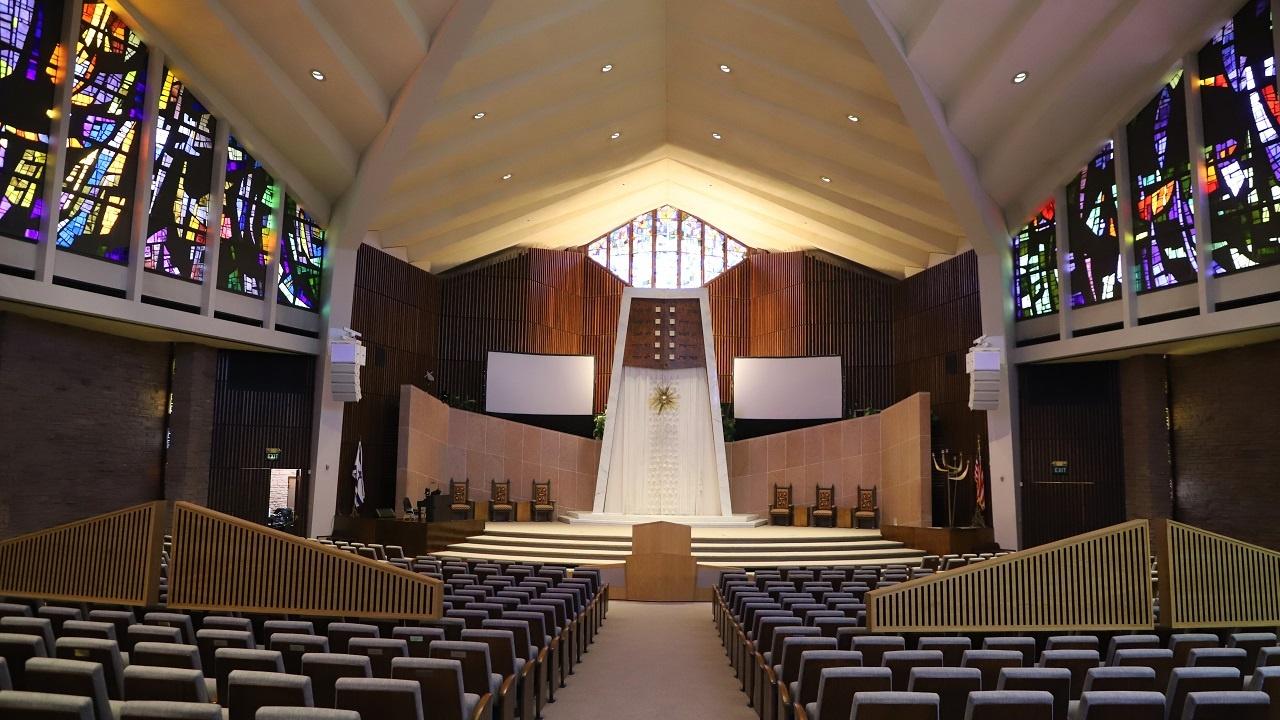
In the film, viewers witness Boulder Police body camera footage from 2019 that caught national attention when a police officer confronted a Naropa University student outside his home. The city settled with Zayd Atkinson in 2020 for $125,000. The film features Atkinson talking through the incident, a perspective — the filmmakers believe — people don't often get when police body camera footage is released. Outside of Atkinson's story, the documentary takes a historical look at Boulder featuring a number of residents. A religious figure, barista, middle schooler, and more create space within the film for a unique conversation the greater community has often avoided for generations.
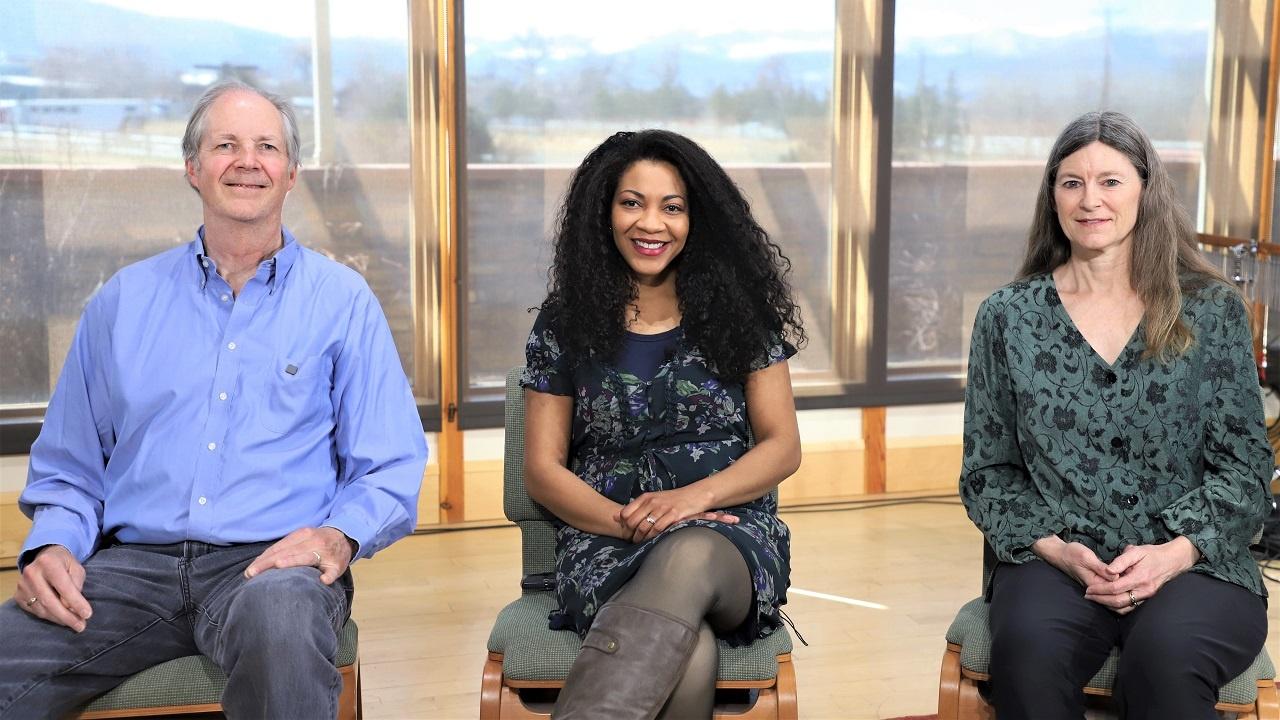
Rocky Mountain PBS sat down with Strong, Miller and Tweedy to talk about the production of the film and the understanding they hope it will create.
Interviews with the filmmakers have been edited for clarity and length.