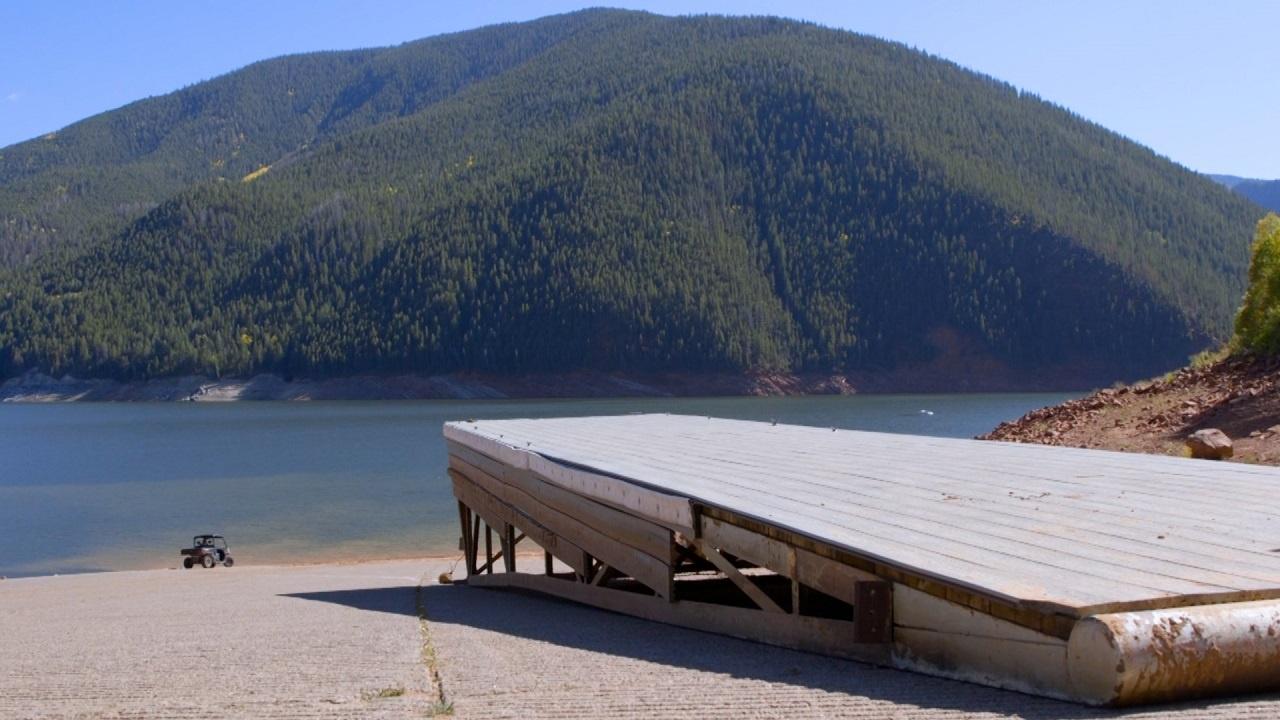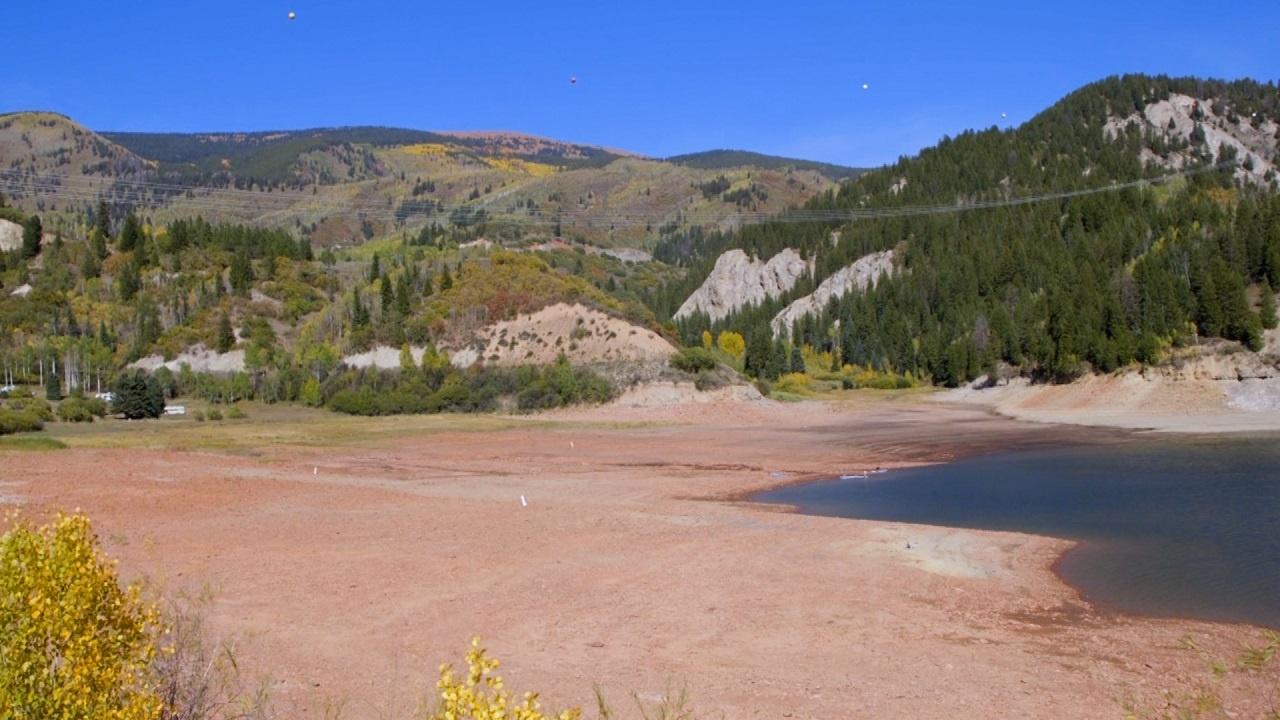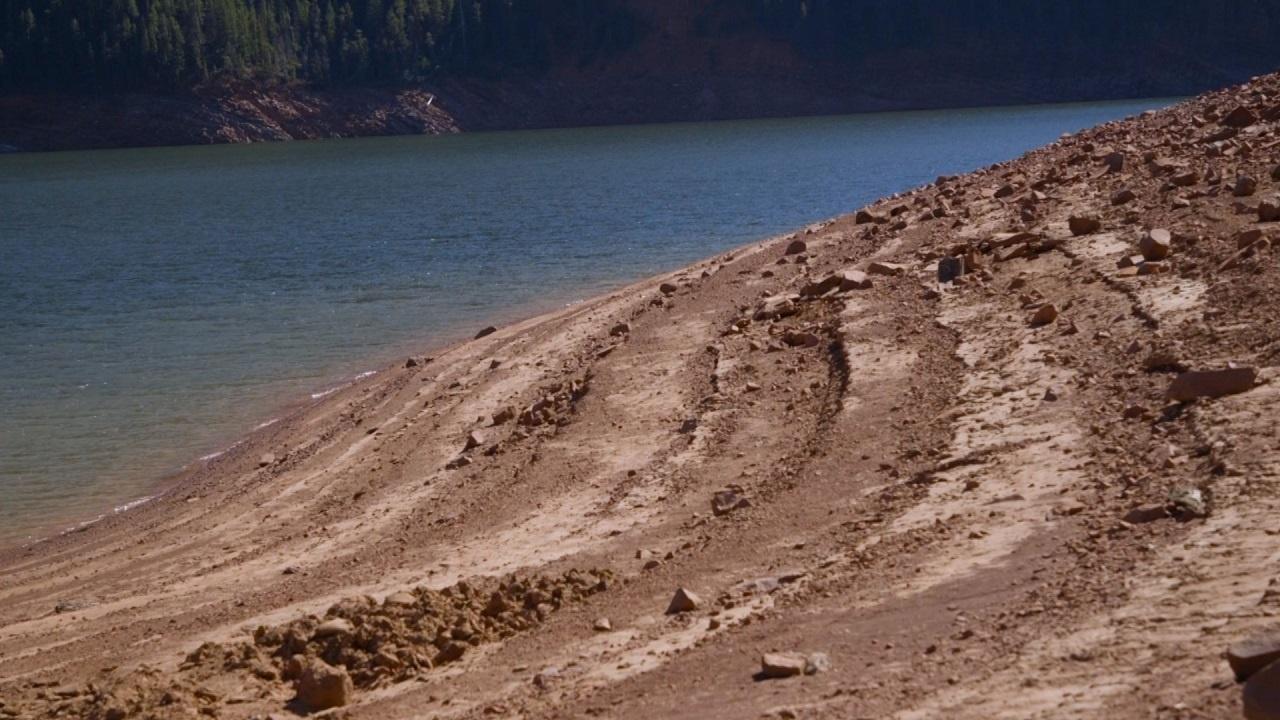


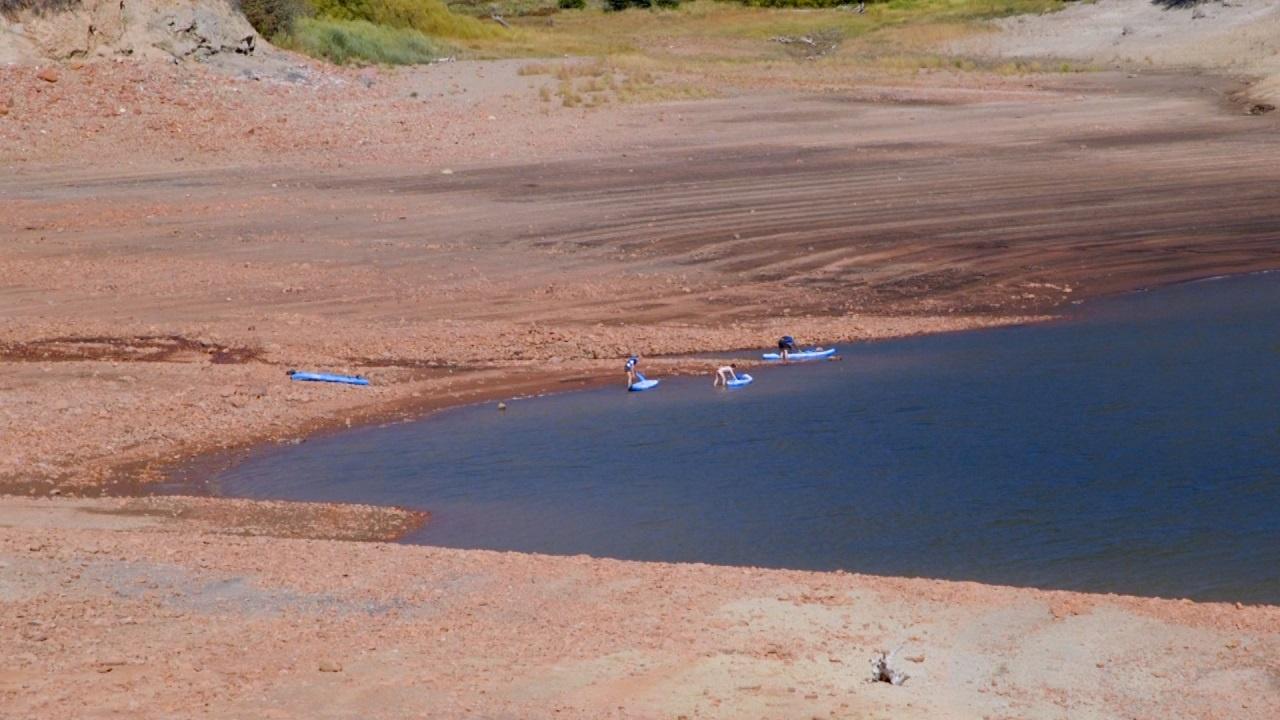
BASALT, Colo. — Dry soils topped with a below-average snowpack in the 2020-2021 winter season produced a dire situation for folks across Colorado's Western Slope.
With drought came historically low river flows, and with less volume to cool the waterways of the Roaring Fork Watershed, temperatures rose to life-threatening levels for Colorado's aquatic wildlife. The group responsible for relaying local water temperatures says it is a problem that has become all too common.
Hot Spots for Trout, the brainchild of the Roaring Fork Conservancy (RFC), was created in the wake of the 2002 drought to help collect water data and keep an eye on the health of the watershed's rivers. The group of volunteer citizen scientists record water temperatures around the watershed for the conservancy, which in turn recommends fishing closures to Colorado Parks and Wildlife when the temperatures get too high. Hot Spots has been called to action in three of the last four years.