
DONATE

National Endowment for the Arts Fellow Josie Lobato exhibits at Arvada

Email share
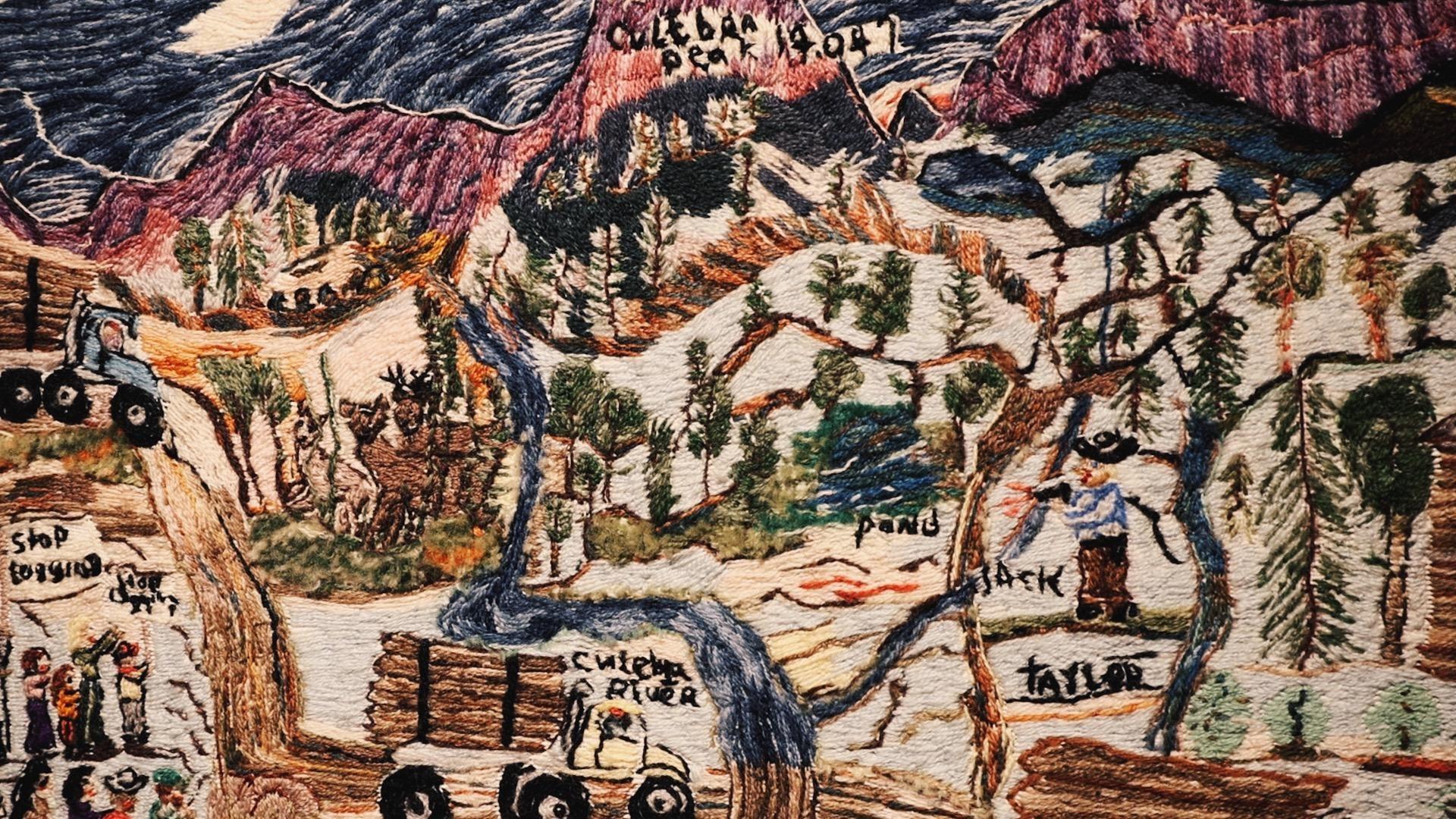
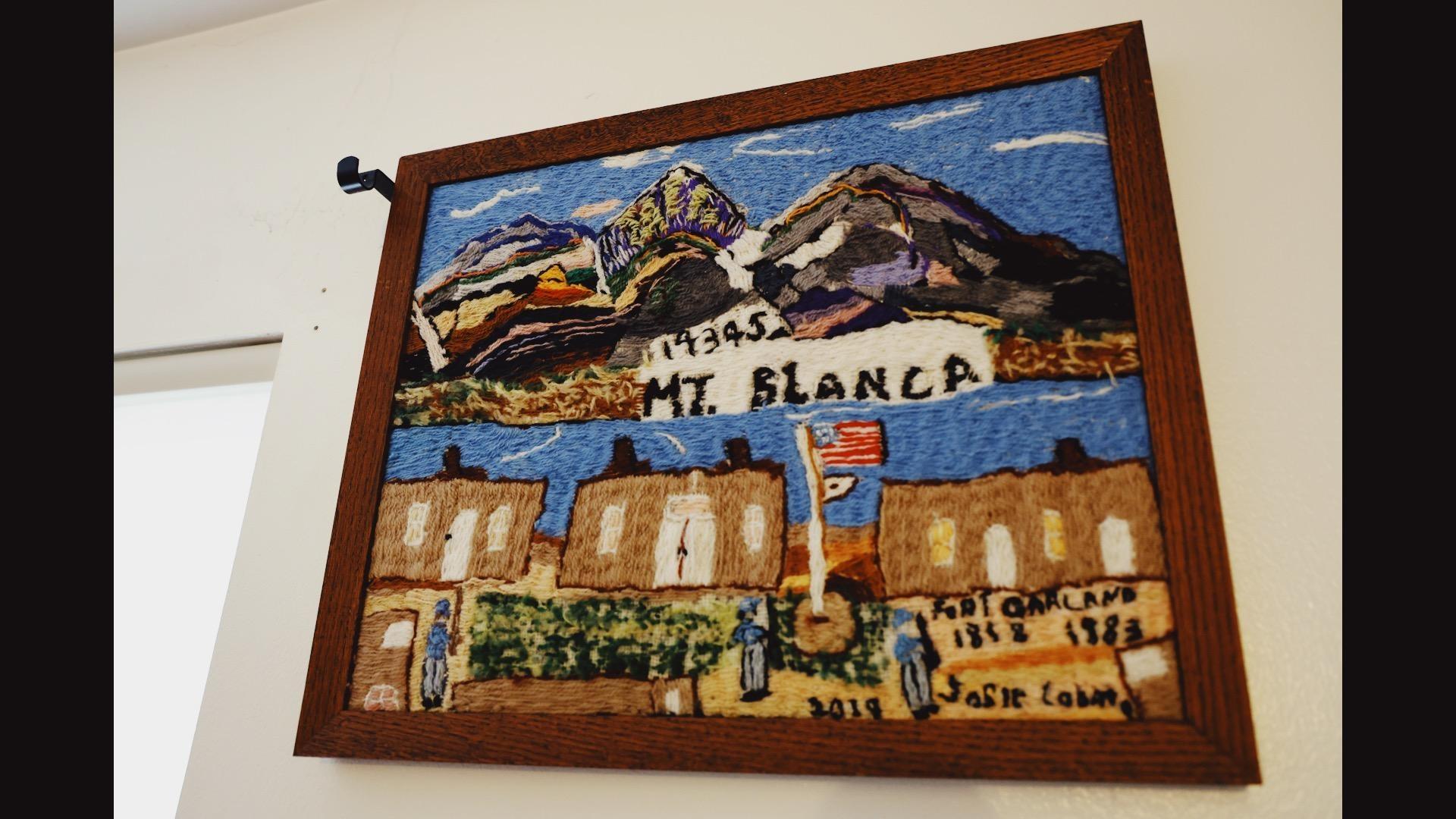
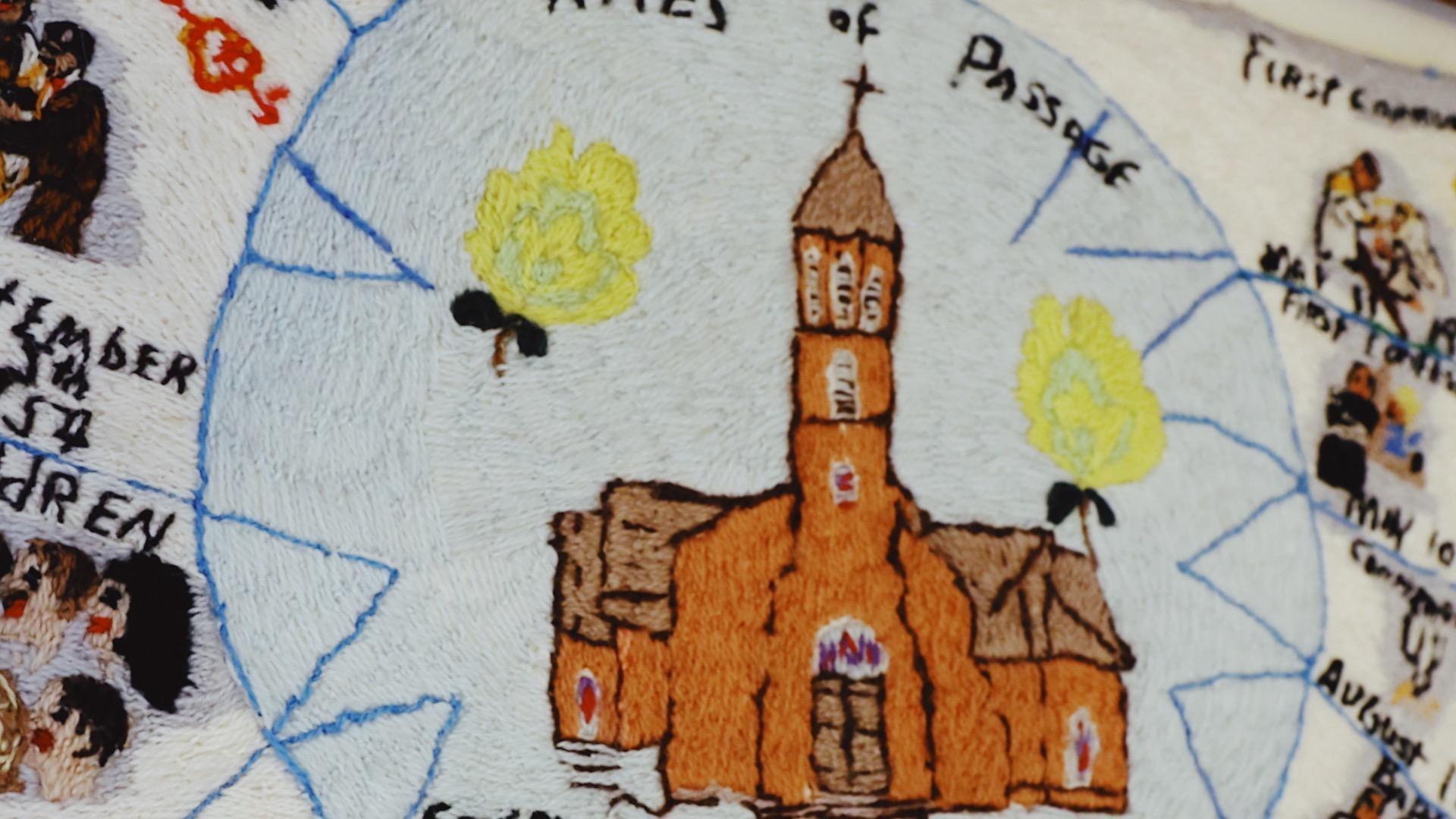
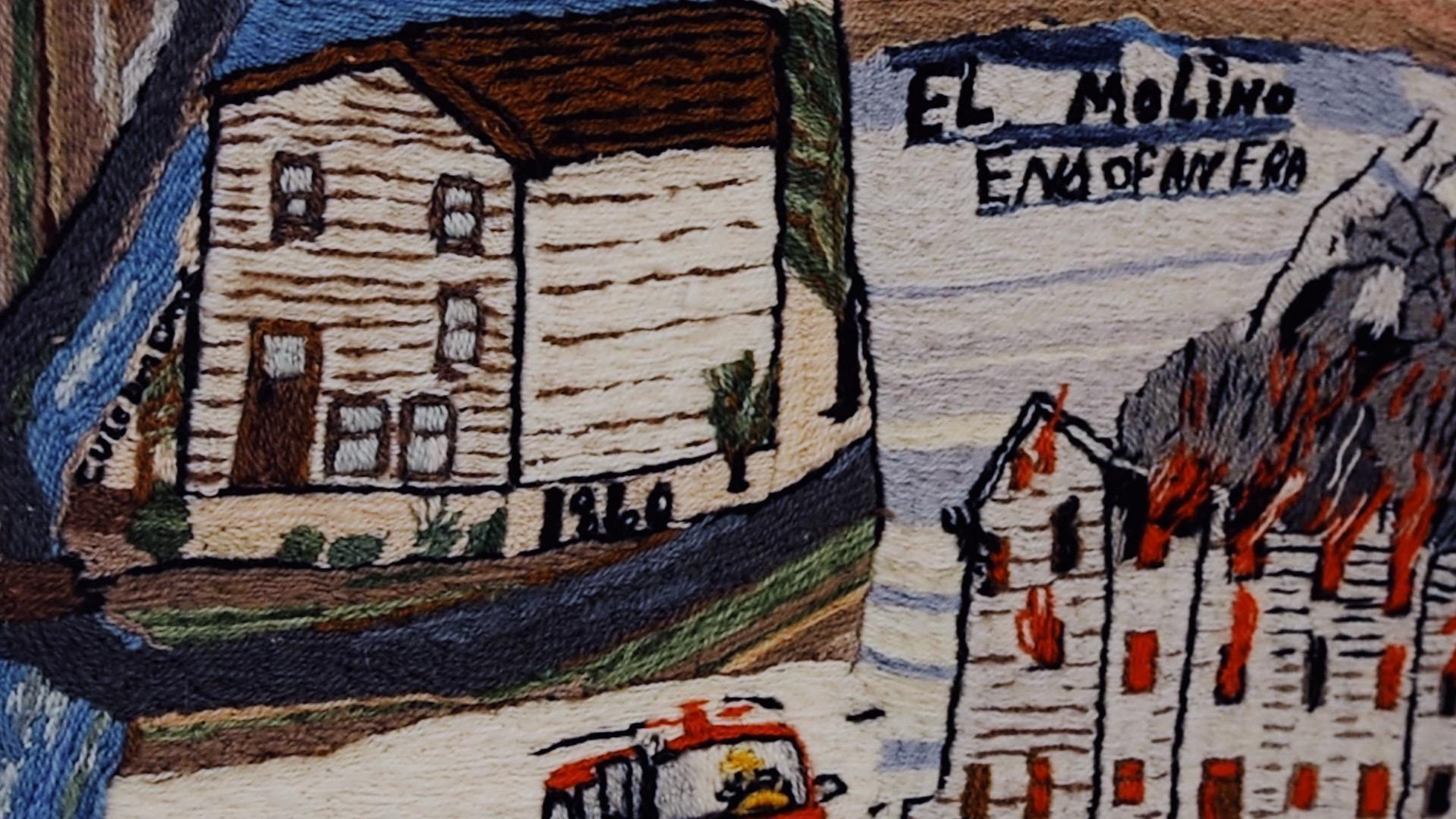
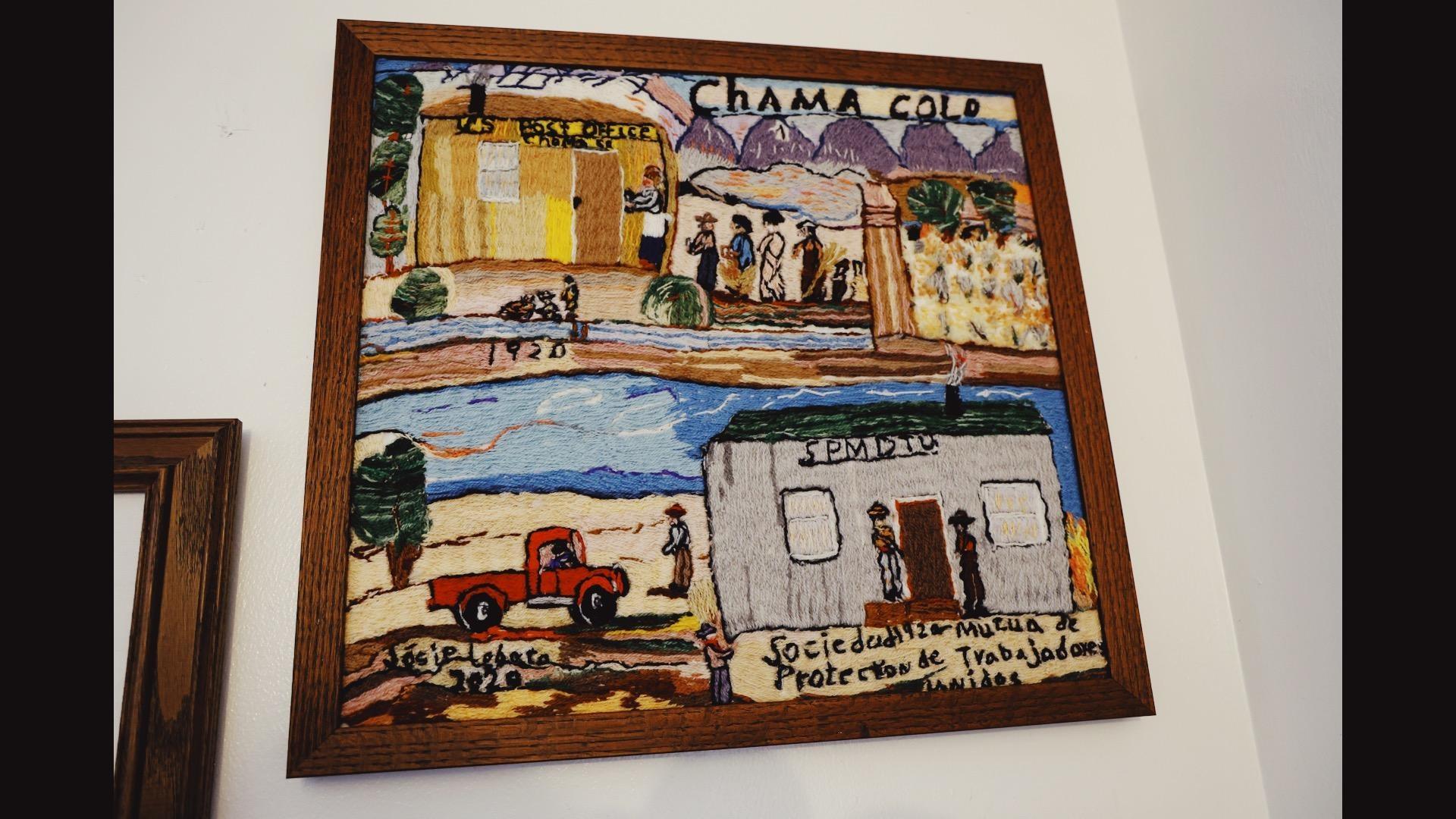
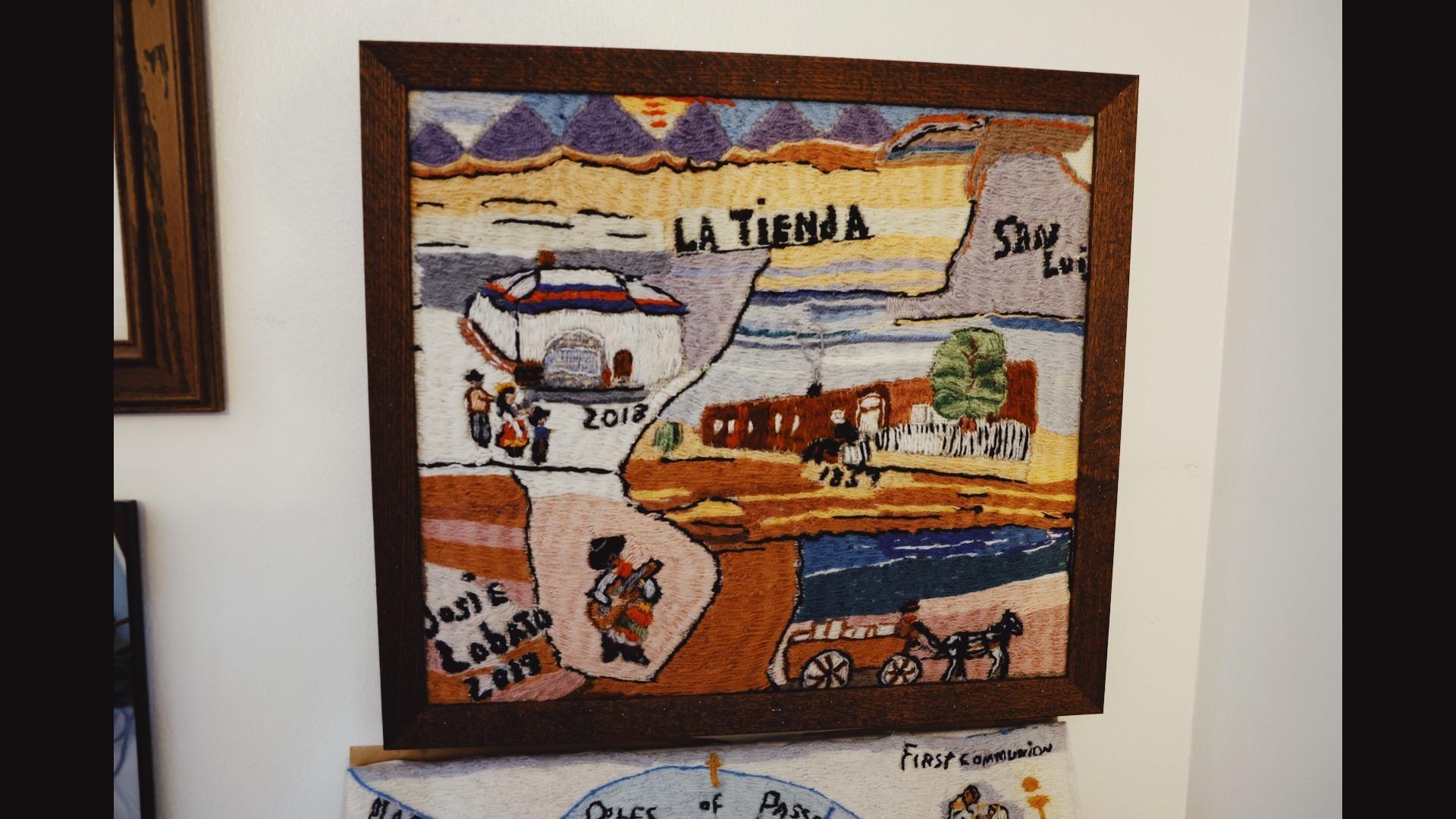
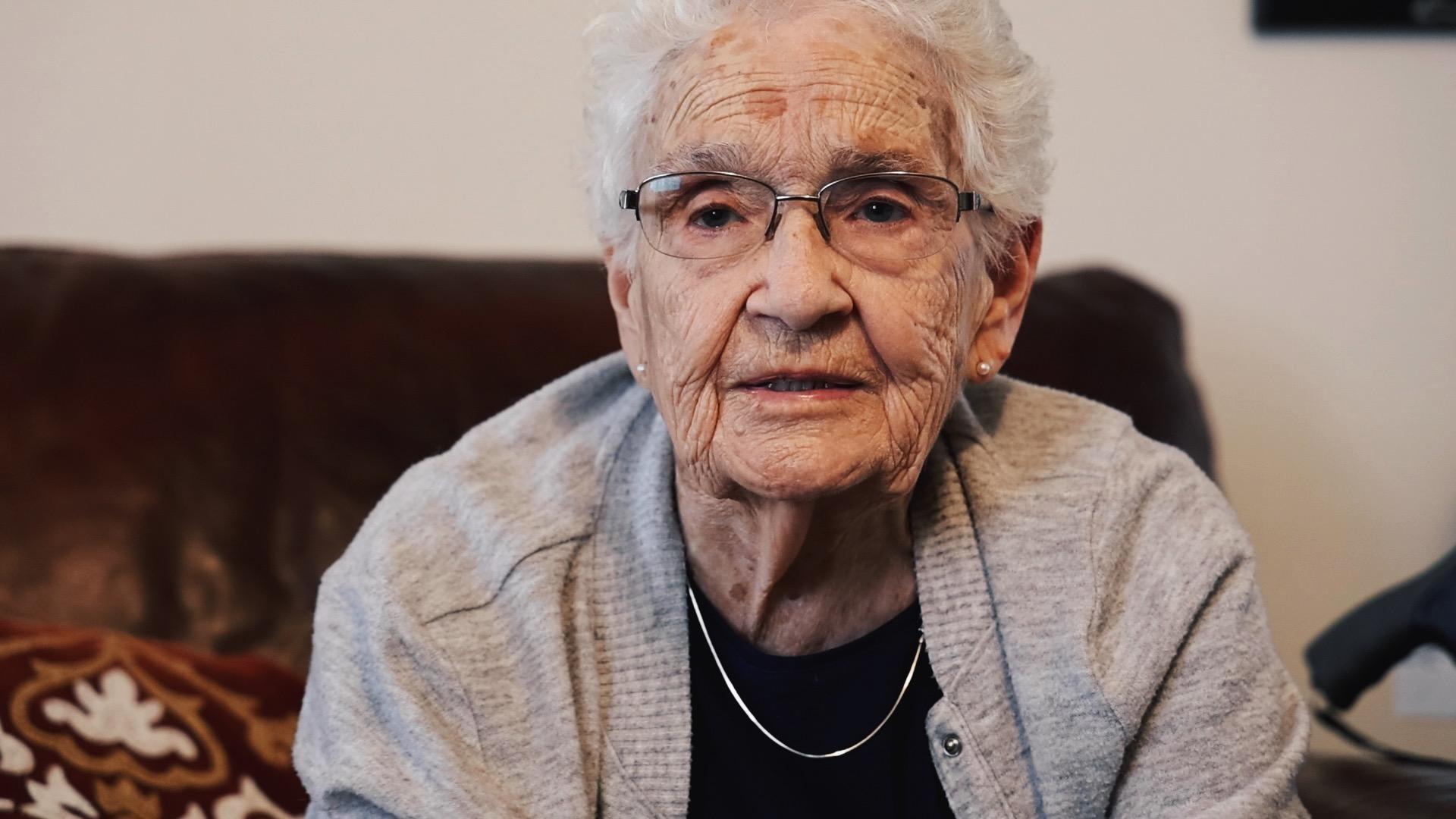
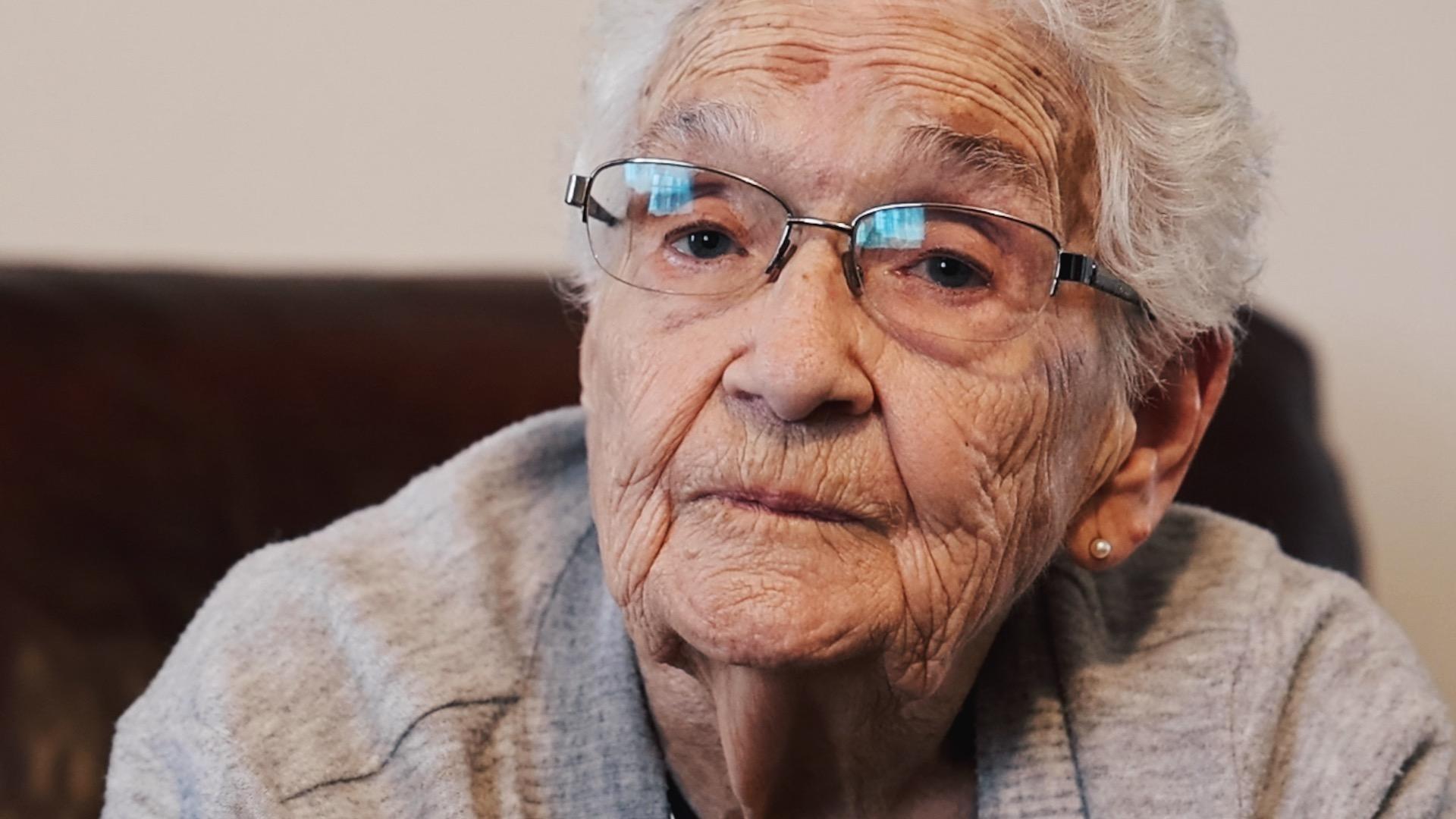
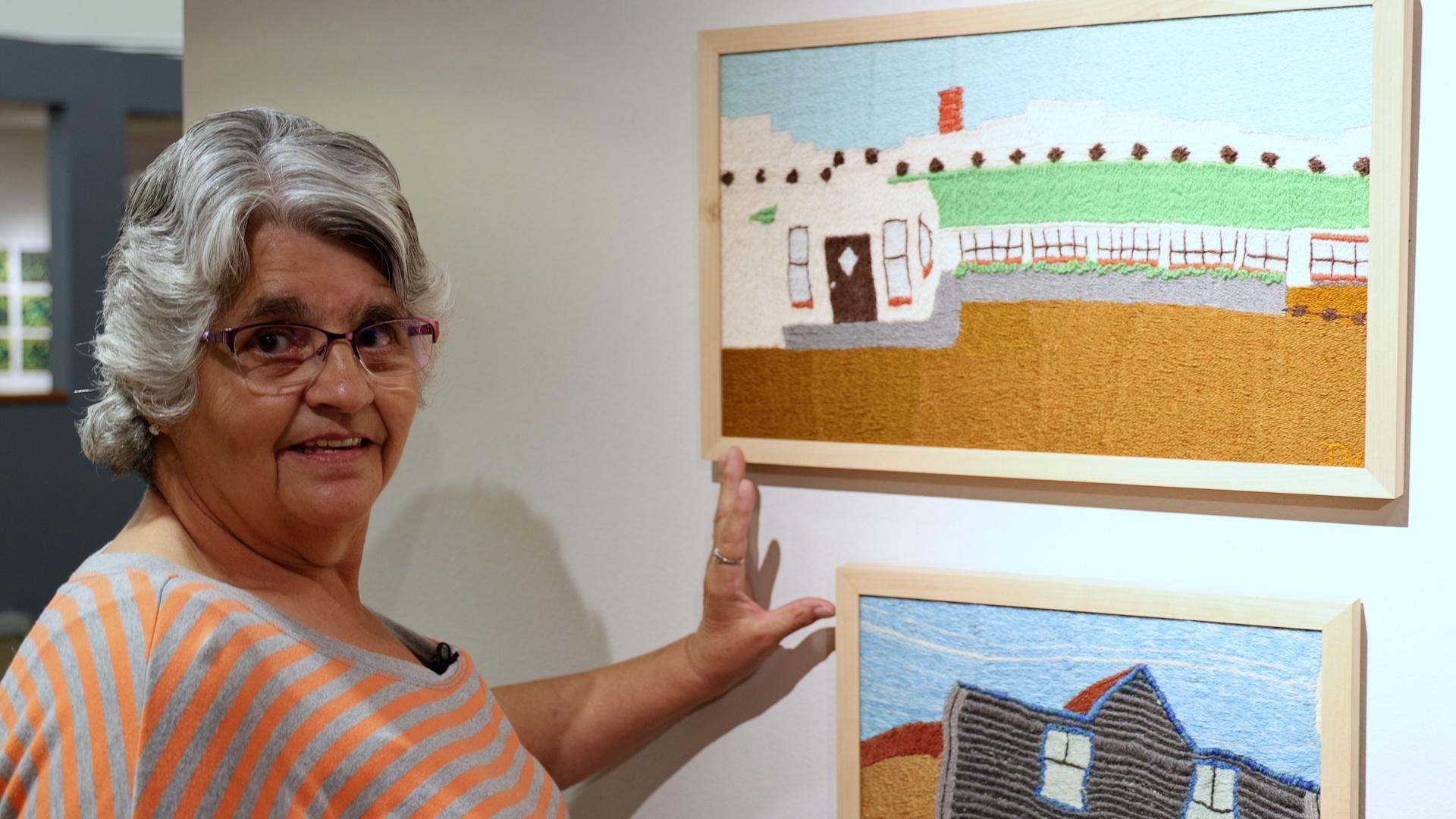
Storyteller Josie Lobato, 87, creates traditional colcha embroidery works depicting heritage scenes from her hometown of San Luis. Four of her intricate hand-embroidered works are part of a group show at the Arvada Center now through November 13.
Kate Perdoni/Rocky Mountain PBS

ARVADA, Colo. — When she received the phone call in 2018 telling her she was to be honored as a National Endowment for the Arts Heritage Fellow — the highest honor for traditional and cultural arts in the United States of America — Josie Lobato almost hung up.

“I thought it was a scam,” she said. “I didn’t believe them. I told them they must be kidding.” When the phone call was over, she had her daughter reverse-call the number. It went to a Congressional line.

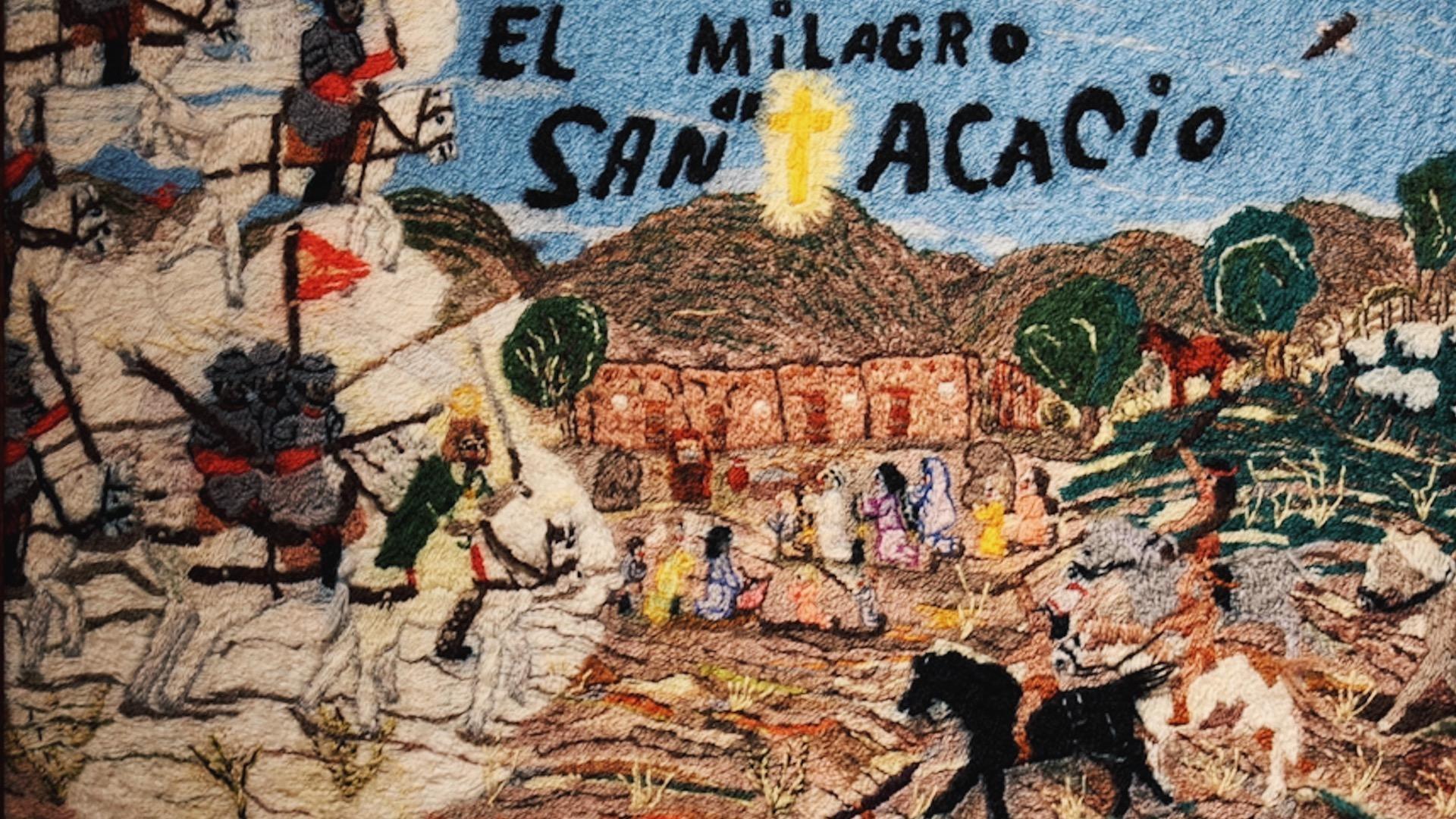
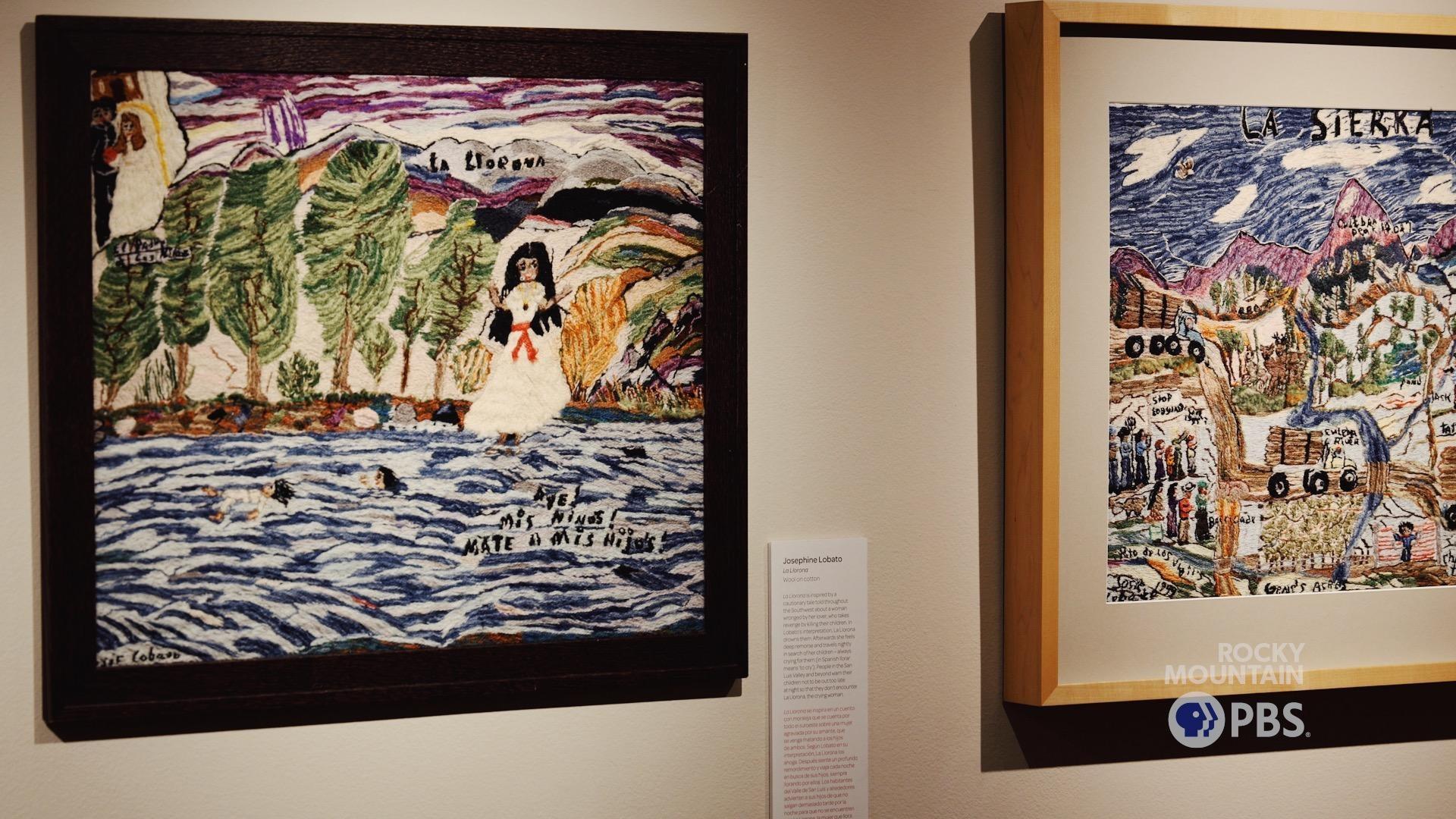
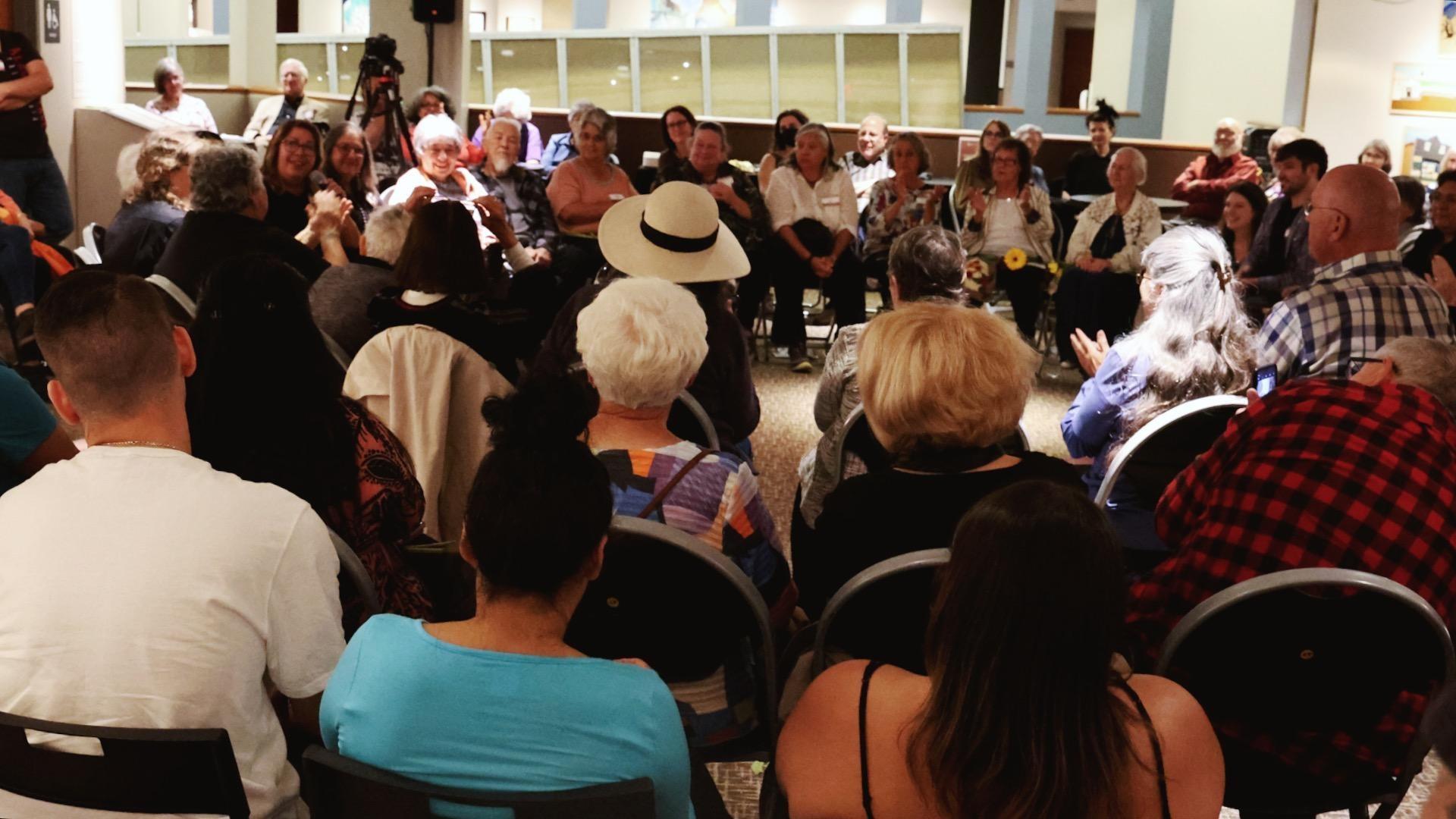
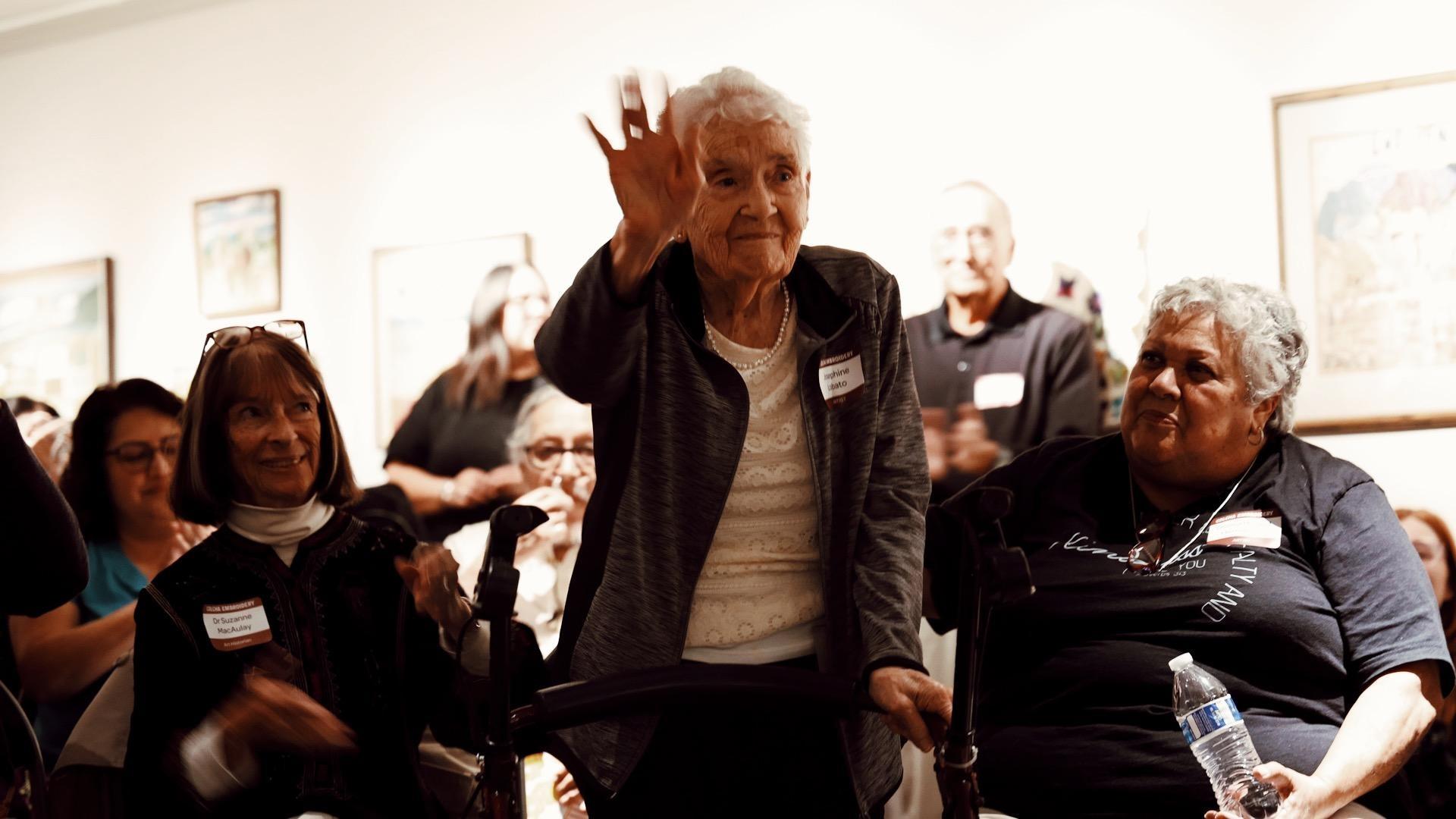
The esteemed recognition for Lobato, 87, came after the artist spent decades creating colcha embroidery works depicting heritage scenes from her hometown of San Luis and instructing students on the art form of colcha embroidery. Four of her intricate hand-embroidered works — La Sierra, El Milagro de San Acacio, Los Penitentes and La Llarona — are part of a group show at the Arvada Center now through November 13.
Josie Lobato exhibits at the Arvada Center
Colorado Voices
Josie Lobato exhibits at the Arvada Center
2:02
Published:

National Endowment for the Arts Heritage Fellow Josie Lobato exhibits at Arvada Center

In her 50s, Lobato learned and traded methods of embroidery with a group of women in her home town. She went on to become a well-known colcha embroidery artist and teacher, sparking generations of textile artists.

Image

“San Luis was a wealth of folklore, a wealth of stories to be told,” Lobato said of her home town. “I did stories — I didn't do colcha. I never said I did colcha. I did stories, and I just happened to do them in colcha.”

A natural storyteller, Lobato said she thought the folk lore of San Luis would be lost, and with it, important histories. “I felt that there was so much to be learned,” she said. “Nobody seemed to know that it existed. I always wanted them to recognize San Luis — that’s why I did it.”

Filer image
Filer image
Filer image

Lobato’s ancestors came from New Mexico to eventually settle in San Luis. Born in the neighborhood called Cuba, she grew up in a two-bedroom adobe house in a family of eight. Lobato’s life revolved around the church and rituals of passage she later depicted in her art. 

Image

Lobato met her husband during a school fire drill at the San Luis school. They married and moved away, returning in 1979 to Chama, a village east of San Luis where her husband’s family was from. 

“The population was about half of what it used to be,” Lobato said of life after she returned. “You had a lot of people that had little farms, and after the war, many just never went back to their farms.”

Lobato’s approach to colcha embroidery helped her share the mythology of the region. She has worked in elementary schools, college classrooms and beyond, connecting local history through her work in a way that relates with students of all ages.

“Many stories were told over a camp fire, and weren’t written anywhere,” she said. “The story of El Milagro de San Acacio is one of those stories.” Local folk lore tells the tale of Spanish settlers who had gone to get wood and to hunt, leaving women and children at camp. A Native American group descended on the settlers, until a vision of Spanish soldiers appeared, preventing them from going further. The people had prayed to be saved and after being spared named the village San Acacio after a patron saint of soldier.

Filer image
Filer image

"Mom has been such an inspiration to a lot of other people, and an inspiration to her grandkids,” said her daughter Rita Crespin. “All her grandkids are are artistic in some way. Maybe it's in our blood.”

“At 87, I still have a good imagination for it. I still think of things that I could do,” Lobato said.

Filer image
Filer image

Lobato’s work can be seen at Colcha Embroidery of the San Luis Valley, on display at the Arvada Center for the Arts and Humanities through November 13, 2023.


Kate Perdoni is the Engagement Journalism Director for Rocky Mountain PBS. kateperdoni@rmpbs.org.

Related Story

Spotlight Newsletter

Community stories from across Colorado and updates on your favorite PBS programs, in your inbox every Tuesday.

Sign up here!