

DONATE

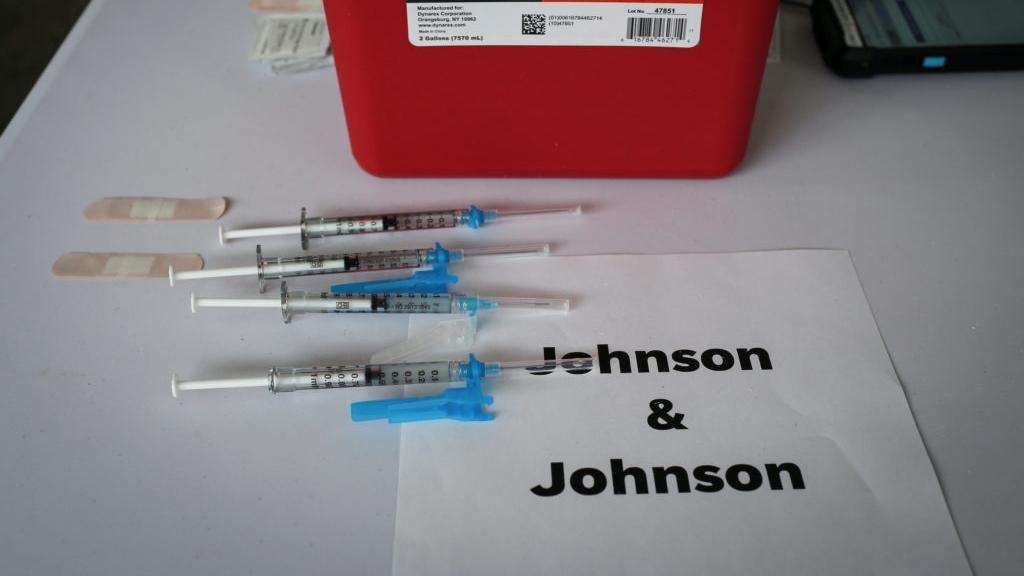
Colorado pauses use of Johnson & Johnson vaccine following reports of rare blood clots

Email share
Credit: PBS NewsHour

DENVER — Following guidance from the CDC and the FDA, the Colorado Department of Public Health and Environment announced Tuesday it is asking providers to temporarily stop the use of the single-dose Johnson & Johnson COVID-19 vaccine.

The CDC and the FDA in a joint statement recommended the pause Tuesday morning following six cases of a “rare and severe type of blood clot” in women who had received the J&J vaccine.

“All six cases occurred among women between the ages of 18 and 48, and symptoms occurred 6 to 13 days after vaccination,” the statement read.

The CDPHE emphasized that these cases are extremely rare. As of April 12, more than 6.8 million doses of the J&J vaccine have been administered in the United States. In Colorado, over 120,000 people have received the J&J vaccine, according to the latest data. For comparison, nearly 3.2 million doses of the Pfizer and Moderna vaccines have been administered in Colorado.

In an interview with Rocky Mountain PBS, Dr. Michelle Barron with UCHealth emphasized that COVID-19 is much larger threat than side effects from the approved vaccines.

“The key thing is just the vaccines we have available... are very good, very efficacious, considered very safe," she said. "And your risk of getting COVID still far outweighs any risk of getting any potential side effects or complications.”
Johnson & Johnson vaccine paused

In a press conference Tuesday, Governor Jared Polis said the pause in the J&J vaccines should increase public confidence about how seriously public health officials are taking the safety of the vaccine.

The governor said the pause should only last days, not weeks, and was confident that the J&J vaccines will safely continue in Colorado soon.

“Nothing I know about Johnson & Johnson would deter me from getting the Johnson & Johnson vaccine tomorrow," said Polis, who received his Moderna vaccine in January.

Anyone who received the J&J vaccine more than a month ago is at “very low risk” for these types of serious side effects, CDPHE said. However, if people who received the vaccine in the last three weeks begin to experience headaches, abdominal pain, leg pain, or shortness of breath, they should see a doctor.

Coloradans who were scheduled to receive the J&J vaccine will instead receive either Pfizer or Moderna, according to CDPHE.

The exception is the state’s mobile vaccination buses. The buses, which were intended to bring vaccines to underserved rural and urban areas, were only stocked with the J&J vaccine. The buses will cease operation through at least April 14.

The CDC’s Advisory Committee on Immunization Practices has an emergency meeting scheduled for Wednesday, April 14, to review the blood clot cases and “assess their potential significance."

PBS NewsHour
LIVE Q&A: What to know about the Johnson & Johnson vaccine pause

The federal government has called for a pause in the distribution of the Johnson & Johnson COVID-19 vaccine. The move comes after six people developed rare blood clots after receiving the vaccine. Nearly 7 million people have received the Johnson & Johnson vaccine so far. What does the move mean for those who have received the one dose vaccine, and how will it affect the U.S. vaccination rollout? On Tuesday, April 13 at 11:00am ET, PBS NewsHour’s Amna Nawaz poses these questions -- and yours -- to data and health reporter Laura Santhanam.

Spotlight Newsletter

Community stories from across Colorado and updates on your favorite PBS programs, in your inbox every Tuesday.

Sign up here!