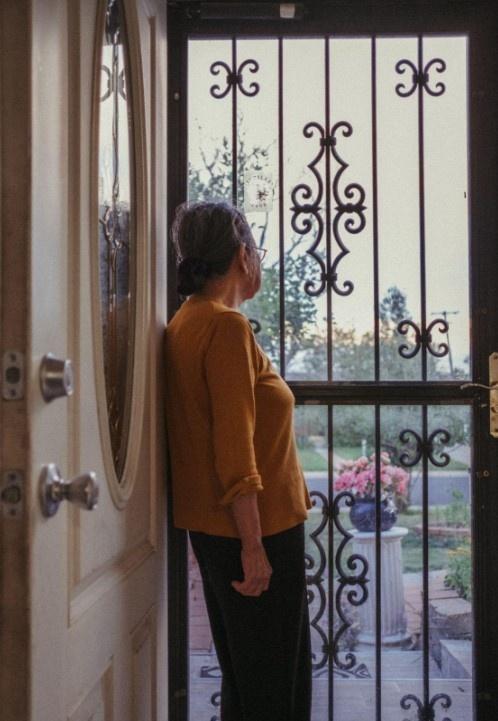


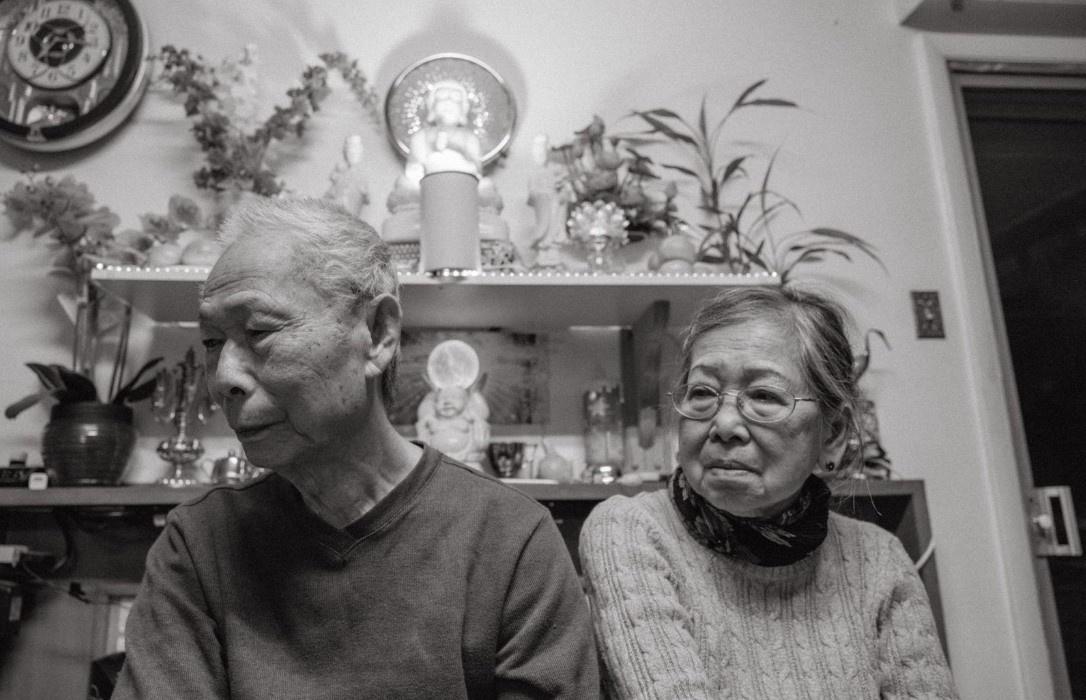
AURORA, Colo. — Phi Le walks down the steps of her home slowly, gripping the railing with every step. As she reaches the bottom, she turns right into a room filled with photo albums.
“This one here is my favorite,” she says in Vietnamese as she reaches for a tattered photo album, pages falling out. Le flips through the pages, reminiscing about old photographs from Vietnam. “Look at how pretty I was then! This was when my husband and I got married . . . here are photos of our kids.”
Before the turmoil of the Vietnam War in 1955, Le grew up in Hanoi with her family. She married Tai Nguyen and went on to have seven children. “We lived in a beautiful home, we had everything in the world,” Le reminisces.
In 1954, Vietnam underwent a separation between its northern and southern counterparts. The country split based on political ideologies: the North wanted to establish communism, while the South wanted economic and cultural ties to the West.
When the political state of Vietnam changed, Le’s family lost their once-adored home and struggled with the changes in their life, with Tai Nguyen having to go serve in the war and Le raising a family of nine kids on her own.
Ut Tai Nguyen was the youngest of all the siblings and because he didn’t know his father at a young age, he saw how difficult it was for his mother. “It was very hard for my mom, raising all of us without my father,” Ut Tai Nguyen commented.
Ut Tai Nguyen mentions that the kids had to work on top of attending school in order to help the family. Ut Tai Nguyen started doing child labor with the rest of his siblings at a young age. However, he accredits this hardship as a way to mature from a young age, pushing him to put his family first.
As much as they lost the Nguyen family had a little piece of land still in Vietnam, and there they had a garden that the kids used to play in.
“We were very lucky to still have that small piece of land. My mom would plant banana trees, vegetables, ingredients that we could use for our daily meals,” Ut Tai Nguyen recalls.
Le adapted to this new lifestyle without Tai, learning to take care of all her kids and balancing that role as a parental figure for the household. When Tai Nguyen finally returned home after being a prisoner of war for eight years, he wanted the family to leave Vietnam. “The Vietnam I knew from before would never be the same again,” Tai Nguyen says.
In 1994, the family moved to the United States in search of a new start to their life.