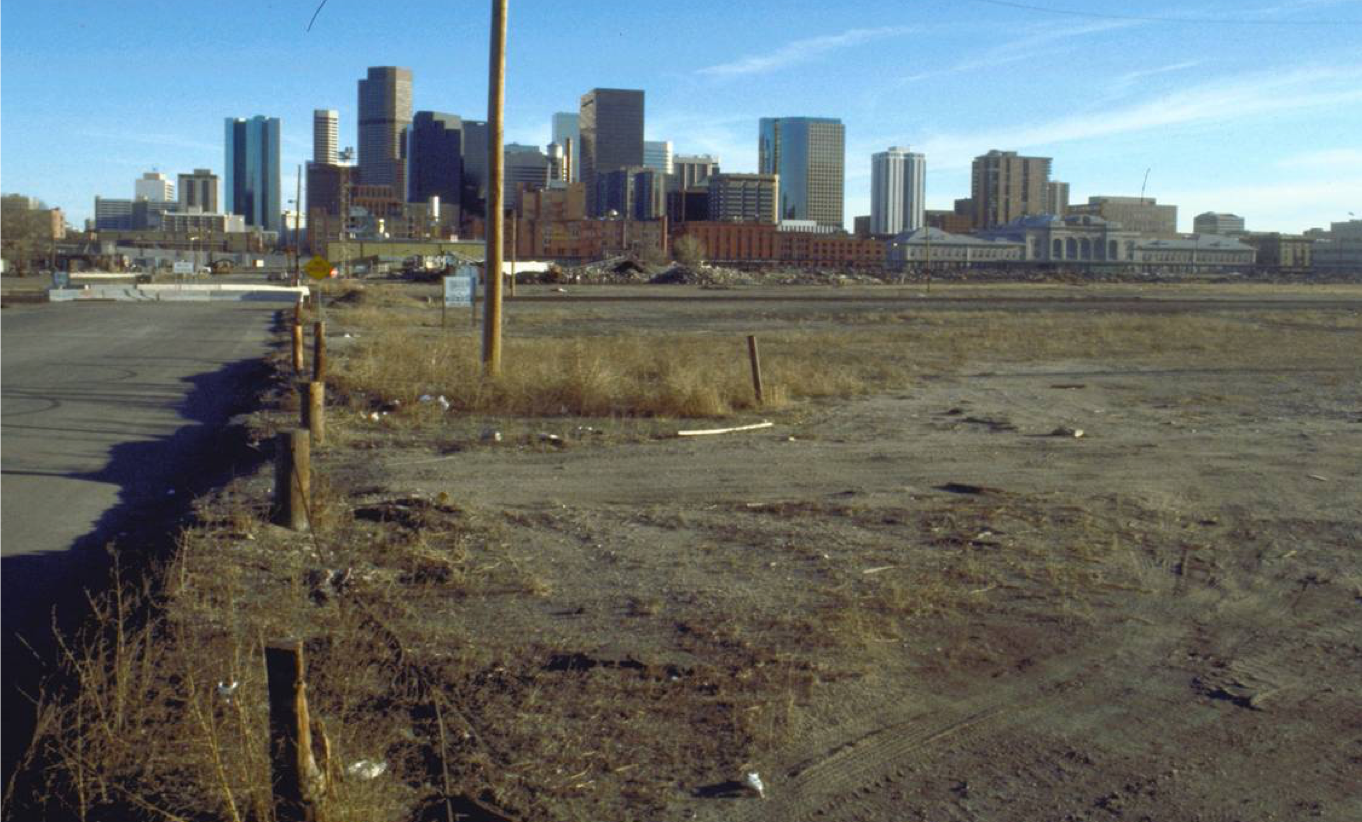
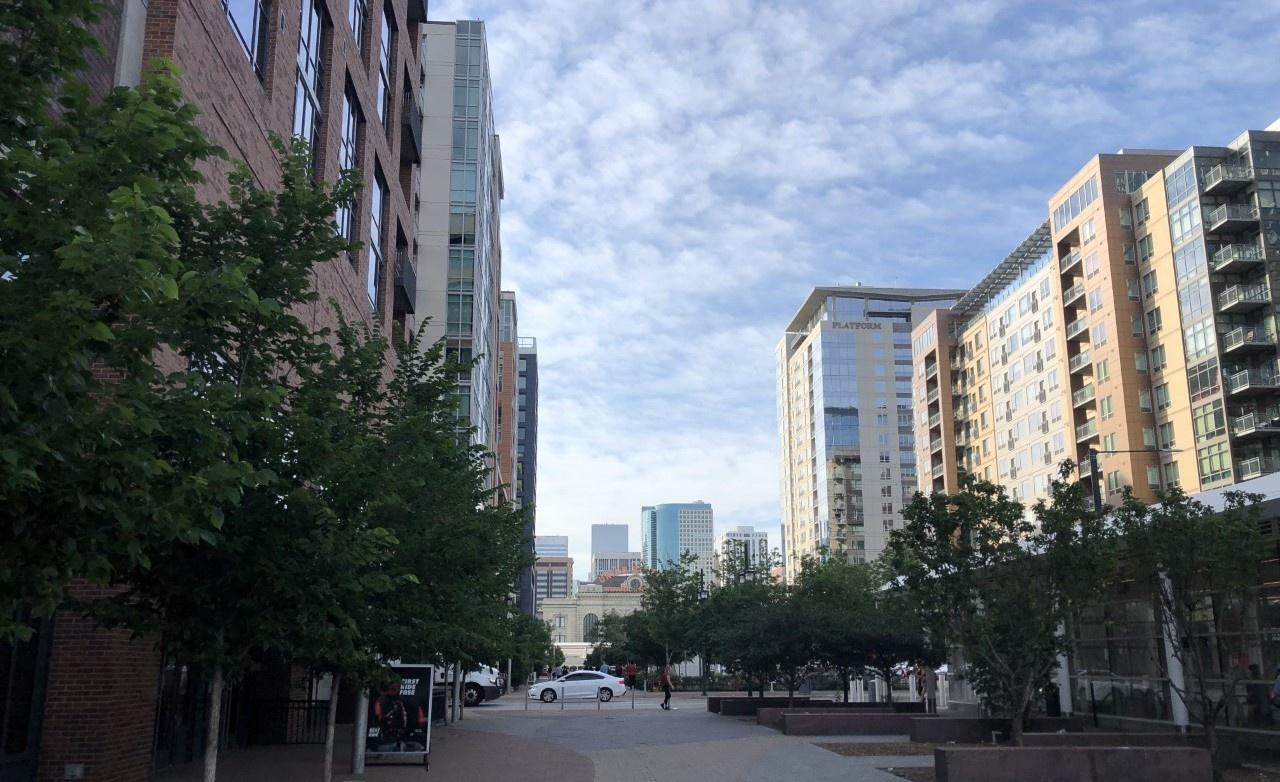
Denver has certainly lost some things, too. Visitors to Coors Field in '98 may have noticed a rollicking jazz club and cantina across from the ballpark. But last year, that club—El Chapultepec—closed after 87 years in business. It was the oldest jazz club in Denver.
In fact, the owners said the impact Coors Field had on the area affected their decision to close "The Pec."
“The jazz musicians, the blues musicians, they shouldn’t have to time their sets around the baseball innings,” Diaz said in a December 2020 press conference, gesturing to Coors Field across the street. “They should be able to play their music and the crowd just be there to enjoy them, and that’s been really difficult to manage, and we’ve been doing it a long time.”
[Related: 'A huge, huge loss:' Coloradans share their memories of 'The Pec']
In 1998, the minimum wage in Denver was $5.15 an hour. Today, that amount has nearly tripled to $15. It will increase once again to almost $16 on January 1, 2022. Meanwhile, the federal minimum wage, at $7.25, has not changed in more than a decade.
An increase in wages aside, affordable housing in Denver has become a major issue. In 1998, the median home price was right around $150,000, which was close to the national average. That's not the case in 2021. The median price for a single-family home in the city just hit a record-high $600,000, according to a the most recent report from the Denver Metro Association of Realtors. Nationwide, the media home price is less than $350,000.
The Politics
In the spring of 1998, a Princeton graduate from Boulder, Colorado in his early twenties founded an online flower shop called ProFlowers that he would eventually sell for nearly half a million dollars. 23 years later, that man, Jared Polis, is two years into his term as Governor of Colorado. Polis made history as the first openly gay man elected governor of any state. He is also a huge baseball fan, but it is likely Colorado's election laws that were the biggest draw for the All-Star Game.
Were it not for Colorado's adoption of statewide voting-by-mail in 2013, there is a good chance the All-Star Game wouldn't be in Denver this year. The game was originally scheduled to take place in Atlanta, but MLB officials canceled those plans after the Georgia state legislature passed restrictive voting laws. The game was subsequently moved to Denver, a move that many interpreted as the league rewarding a city and state that makes voting more accessible.
[Related: The Battle For The U.S. Senate Will Be On Display During Baseball's All-Star Game]
For decades, Denver has been reliably democratic; the city hasn’t elected a Republican mayor since the late 50s, when Richard Batterton was mayor.
Today, the mayor is Michael Hancock, the 45th mayor of Denver and just the second Black man to be elected to the position. The first Black mayor, Wellington Webb, led the Mile High City from 1991 to 2003, meaning he was well into his administration by the time the 1998 All-Star Game came to Coors Field.
Statewide, however, Colorado’s electoral legacy is more mixed. Since joining the Union in 1876, Colorado has participated in 37 presidential elections. In 22 of them, a majority of the state voted for the Republican candidate, compared to just 14 elections where the state went blue (The 1892 election was an outlier: Colorado voted for Populist candidate James B. Weaver).
In 1998, Bill Clinton was president, though Colorado voted for GOP candidate Bob Dole in the '96 election. But in recent years, the centennial state has emerged as somewhat of a democratic stronghold. Colorado hasn't voted for a Republican since George W. Bush, and if current trends continue—registered Republicans make up less than 30% of the state's electorate—it will be increasingly difficult for a GOP candidate to win statewide office in Colorado.
[Related: Colorado continues to shift blue: The 2020 election, explained in graphics]
The Baseball
1998 was a historic year for Major League Baseball. The major storyline was the rivalry between the Cardinals' Mark McGwire and the Cubs' Sammy Sosa. Both men were chasing the then-record of 61 home runs in a season, which Yankees slugger Roger Maris set in 1961. By the time the All-Star Game came to Coors Field in '98, McGwire had 37 home runs and Sosa had 33; both were on pace to break the record, and both of them did. McGwire finished with a record 70 home runs, and Sosa was right behind him with 66.
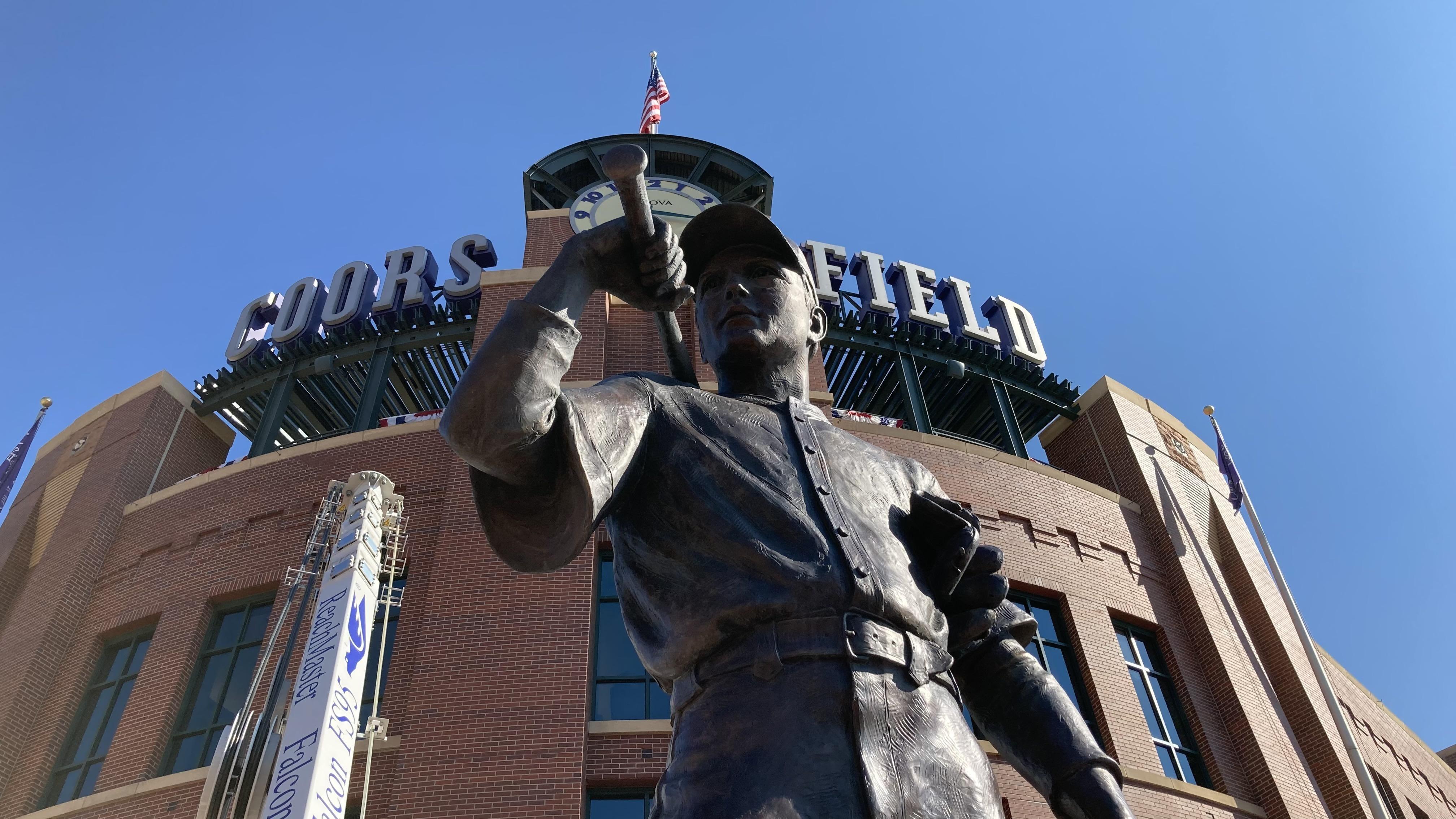
McGwire participated in the Home Run Derby at Coors Field that year. With its high elevation and thin air, Coors Field is a hitter's paradise. The ball travels, on average, 5-10% further at Coors Field. Ironically, McGwire only hit four home runs during the derby. Ken Griffey Jr. won the contest that year.
Despite the '98 heroics and record-setting careers, McGwire and Sosa both missed out on the Hall of Fame due to their use of performing enhancing drugs. The records they set were largely tarnished by those scandals.
This year's All-Star Game features several young stars, including Fernando Tatís Jr. and Vladimir Guerrero Jr. Neither Tatís nor Guerrero, who are sons of former MLB players, were alive in 1998. You can find more information on this year's roster here.
Kyle Cooke is the Digital Media Manager at Rocky Mountain PBS. You can reach him at kylecooke@rmpbs.org.



.jpg)