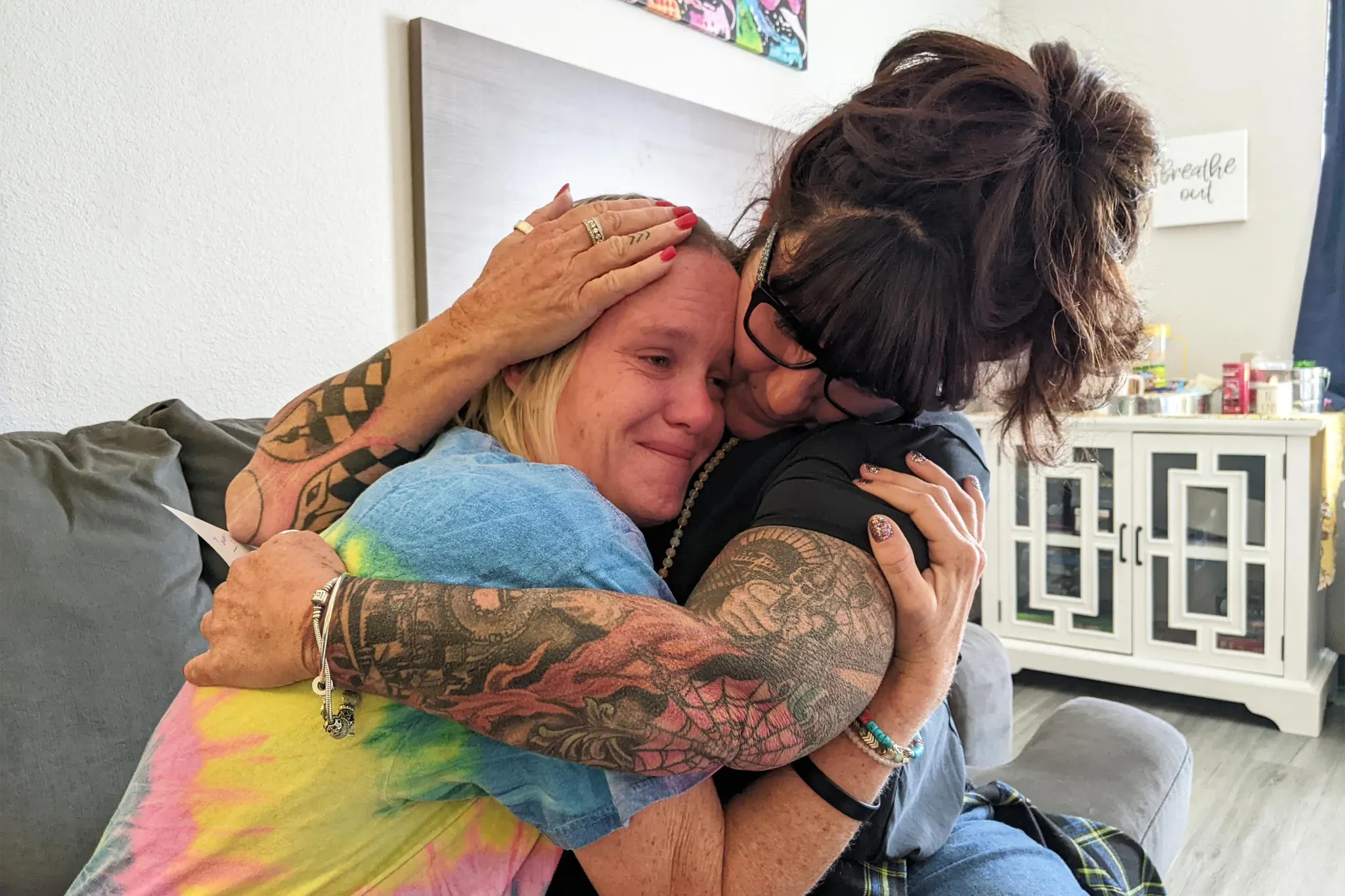
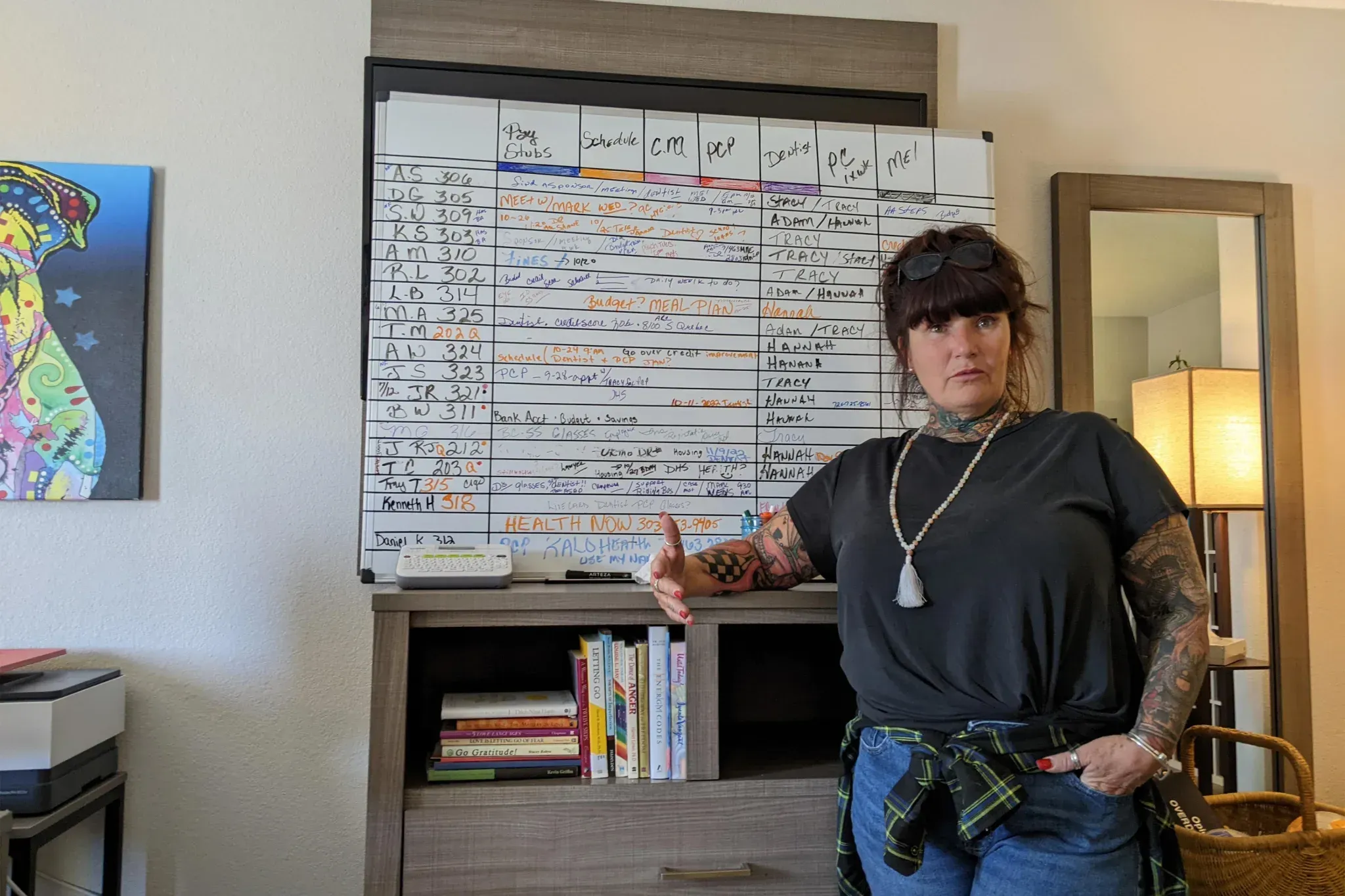
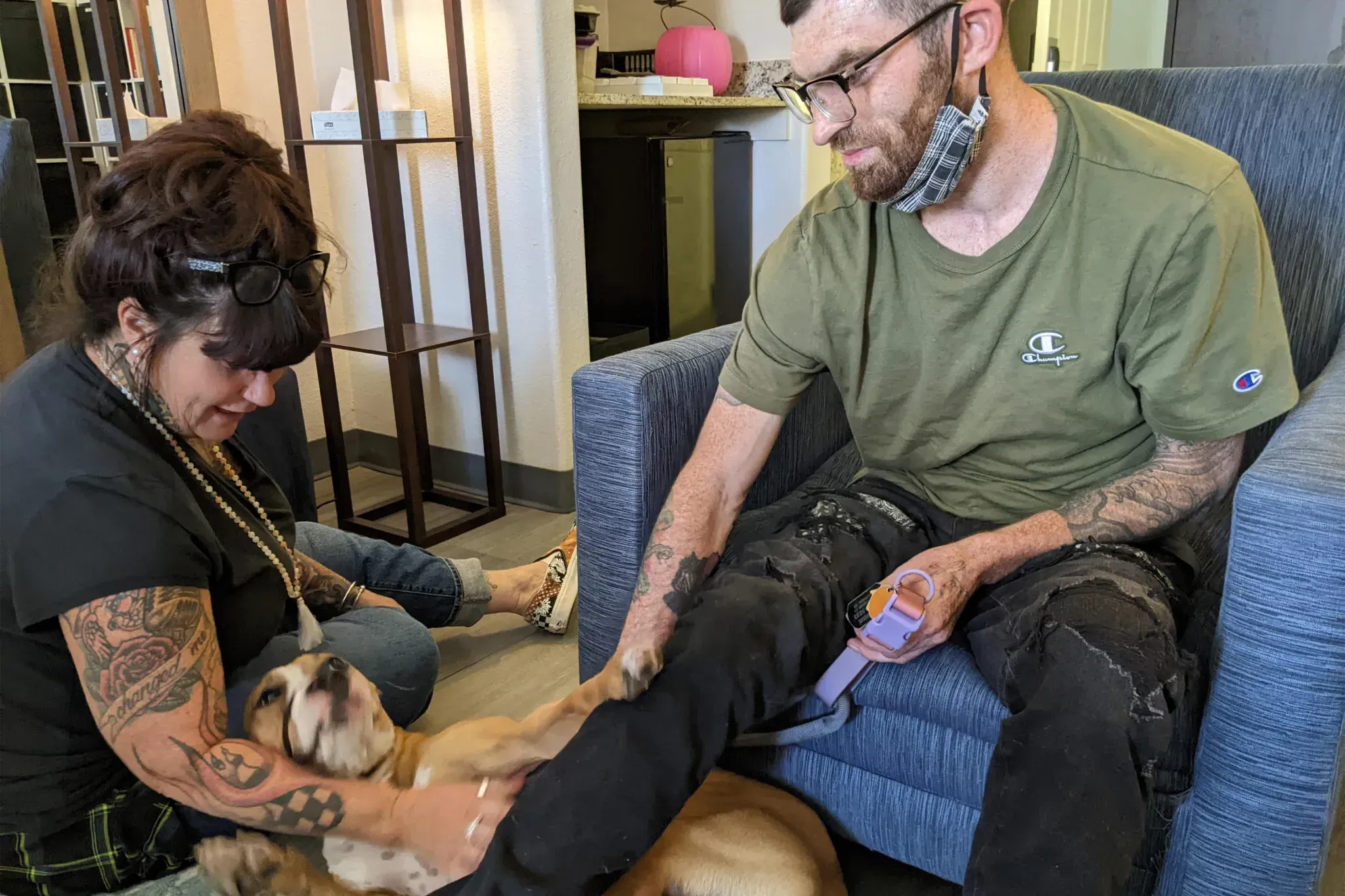
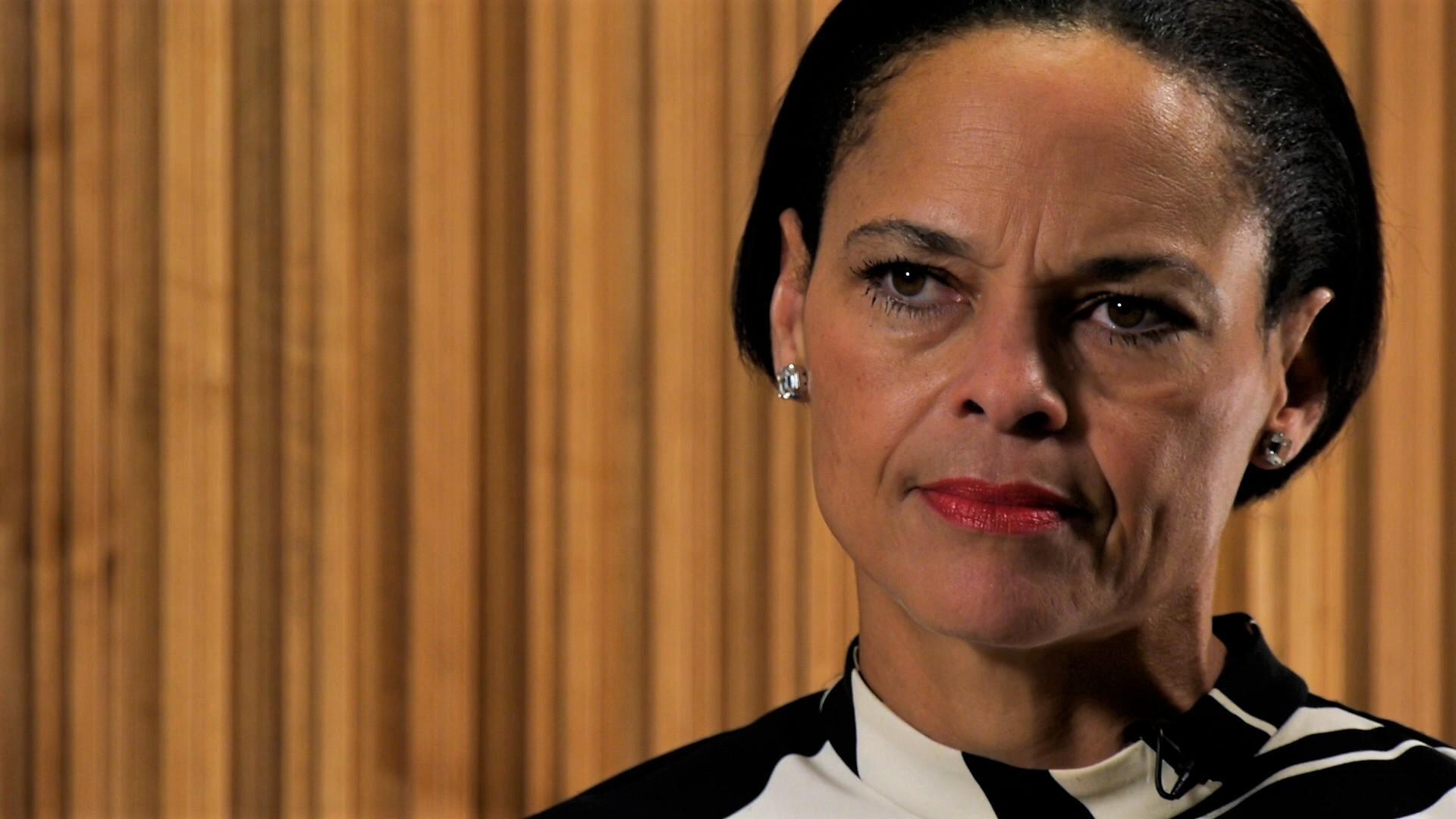
Norton works for the Hornbuckle Foundation, which provides peer support to participants in the SAFER. SAFER provides short-term shelter in the hotel for people in Arapahoe County who are homeless and have mental health or substance use disorders.
Peer support specialists are themselves in recovery and are employed to help others. As billions of dollars in opioid settlement funds roll out to states and localities, local leaders are deciding what to do with the money. Supporting and training peer specialists, whose certification requirements vary by state, are among the options.
States, counties, municipalities, and tribes filed thousands of lawsuits against drug companies and wholesalers that are accused of fueling the opioid crisis. Many of those cases were lumped together into one mega-lawsuit. This year, four companies settled out of court, agreeing to pay $26 billion over 18 years. Participating states must follow guidelines for how the money can be spent.
In Colorado, hundreds of millions of dollars from that settlement (and a few others) will go to local governments and regional groups, several of which submitted plans to use some of the money for peer support services.
David Eddie, a clinical psychologist and a research scientist at the Recovery Research Institute at Massachusetts General Hospital, said peer recovery support services have “been gaining a lot of traction in recent years.”
According to the Substance Abuse and Mental Health Services Administration, “mounting evidence” shows that working with a peer specialist can result in better recovery outcomes, from greater housing stability to reduced rates of relapse and hospitalization. A report by the U.S. Government Accountability Office identified peer support services as a promising practice in treating adults with substance use disorders. In many states, peer specialists are reimbursed through Medicaid.
“They can plug a really important gap,” Eddie said. “They can do things that we as clinicians can’t do.”
They can, for example, help navigate the bureaucracy of the child protective services system, about which clinicians might have little knowledge, or take someone out to coffee to build a relationship. If a person stops showing up to therapy, Eddie said, a peer support specialist “can physically go and look for somebody and bring them back to treatment — help them reengage, reduce their shame, destigmatize addiction.”
Norton has, for instance, picked up a client who called her from an alley after being discharged from a hospital stay for an overdose.
“Some people will tell you, ‘I decided I was going to get in recovery, and I never had to drink, drug, or use again.’ That’s not my experience. It took me 20 years to get my first year clean and sober. And that was trying every day,” said Norton from her office, her Vans planted just inches from a basket that lives under her desk: It contains three opioid overdose reversal kits stocked with Narcan.
Her office, warmed by the sunlight coming through a south-facing window and the nearly constant rotation of people plopping onto the couch, contains a shelf of essential items. There are tampons, for whoever needs them — Norton will “never forget” the time she got a ticket for stealing tampons from a grocery store while she was homeless — and urine analysis kits, for determining whether someone is high versus experiencing psychosis.
She teaches “stop, drop, and roll” as a coping mechanism for when people are feeling lost and thinking about using substances again. “If you’re on fire, what do you do?” Norton said. “You stop immediately, you lay on the ground, you roll and get yourself out. So I’m like, ‘Go to bed. Just go to sleep.’ People are like, ‘That’s not a wellness tool.’”
“It is,” Audrey Salazar chimed in. Once, when Salazar was close to relapsing, she stayed with Norton for a weekend. “I literally just slept,” Salazar said. The two rested and ate Cocoa Puffs and Cheez-Its by the box.
“It was so bad,” Norton said of the junk food binge. But the weekend got Salazar back on track. Working with a peer support specialist who has “walked the same walk,” Salazar said, “holds you accountable in a very loving way.”
That October day, Norton pivoted from nagging one person to make a doctor’s appointment, to getting someone else set up with a food pantry, to figuring out how to respond to the bank that told a third client that an account couldn’t be opened without a residential address. She also worked on lowering the defenses of a newcomer, a sharply dressed man who seemed skeptical of the program.