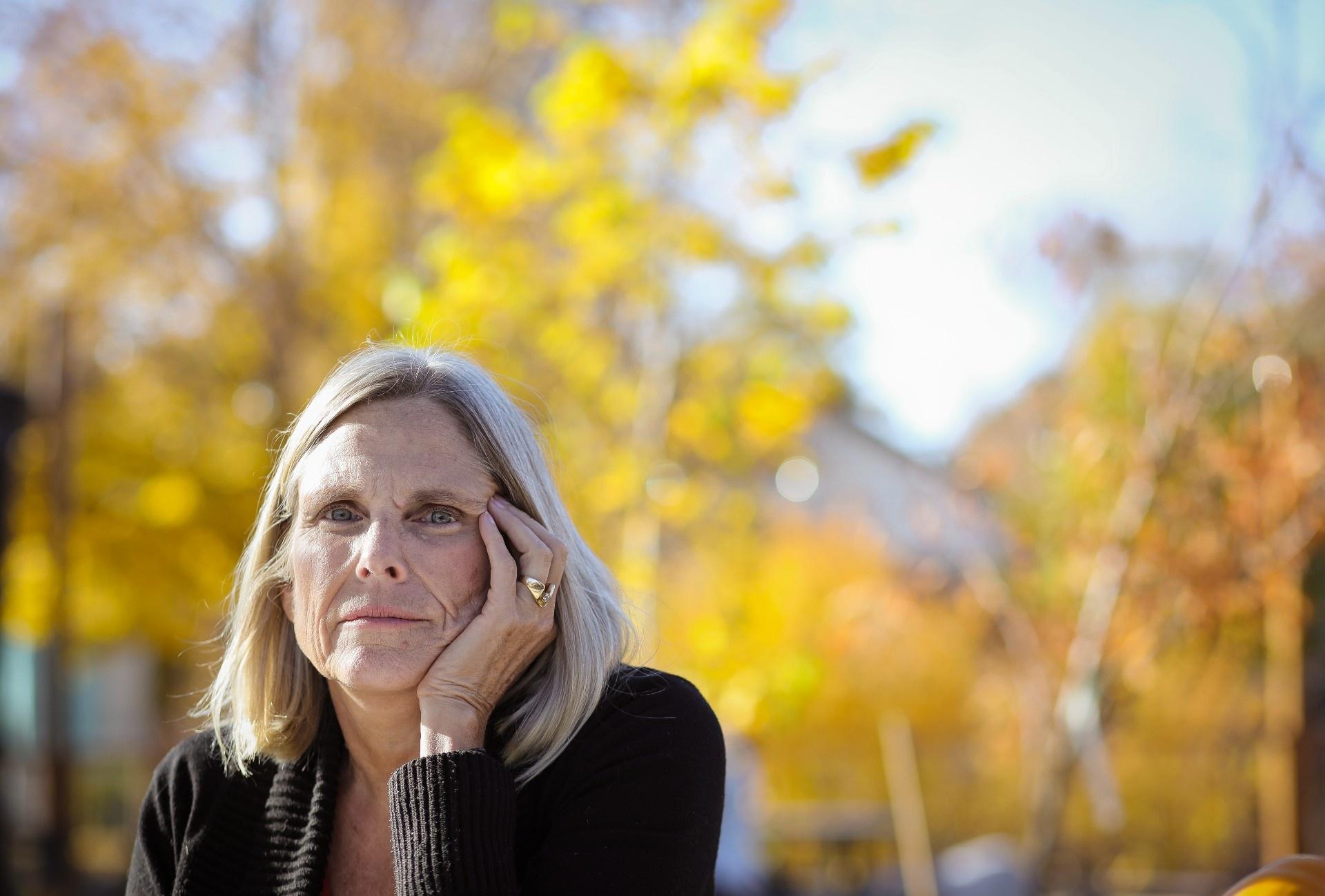
“I think that sometimes there's a misconception that somehow Latinx persons are worse off from a mental health perspective than others. And that is really not true,” Fariñas told Rocky Mountain PBS. “But what is true is that the upstream stresses—the factors that really kind of cause stress in anybody's life including poverty, including the inability to be able to gain immigration status in the country; perhaps losing your job, some really intense life circumstances—directly impacts our community more than they impact other communities.”
While she never planned on opening a mental health agency, Fariñas felt called to use her skills as a clinical psychologist to support her fellow Latinx community members. During her time as a professor in human development, family students, and infant mental health at Colorado State University (CSU), Fariñas enlisted three students to assist in trauma-informed field work where they conducted conversations about care—"dialogues about the needs, hopes and dreams of our community," she said.
“As we did this, we became hyper-aware of the toxic stresses and traumas being felt throughout our communities. I did not feel like I had a choice—I had to act and to use my skills and my expertise to support my fellow Latinx community members. In some ways, I designed what I wish my family had had when we emigrated to this country from Central America,” Fariñas explained.
Staffed by a team of 20 psychologists, counselors, social workers, therapists, and educators, the organization seeks to “dismantle systems of oppression and co-create paths to liberation by providing full access to traditional and non-traditional forms of mental health and health equity support services,” according to the organization’s mission statement.
“Without exceptions, all human beings are deserving of freedom from suffering,” Fariñas said. “The fact that only those who can pay or those who have health insurance have access to options for healing suffering is a clear indication that serious systemic inequity is at play…This is why our services are free.”
La Cocina, which means "kitchen" in Spanish, is a nod to one of Fariñas personal heroes, Dolores Huerta—an American labor worker who co-founded the National Farmworkers Association with Cesar Chavez. According to Fariñas, Huertas and Chavez would hold meetings in people’s kitchens where they said, “All revolutions begin in the kitchen.”
Right now, La Cocina serves eight counties across Colorado. The majority of La Cocina’s clients are from countries like El Salvador, Guatemala, Honduras, and Mexico.
“This is a community that has left their country of origin and came here because of deep, deep trauma,” Fariñas said.
Ana Raquel Gomez, an office assistant at La Cocina, told Rocky Mountain PBS that she learned about the organization when she arrived in the United States.
“You know, we come from very difficult countries in the midst of violence,” she said in Spanish. “Making that decision to leave your homeland, leave your family, and arrive in a country with a completely different language...I knew that I was not alone in the process. So, La Cocina helped me find the tools to start finding my own way.”
From mental health support for infants to forensic mental health assessments for Spanish-speaking people in immigration proceedings, La Cocina aims to support Latinx individuals in any way they can.
Gomez added: “One of the most tremendous difficulties you go through when you arrive in this country is that you need support of all kinds. From getting new shoes, new clothes, some information on where you can stay, and here at La Cocina, we can help you connect.”
Julio Sandoval is a multimedia journalist with Rocky Mountain PBS. You can reach him at juliosandoval@rmpbs.org.
Victoria Carodine is the Digital Content Producer for Rocky Mountain PBS. You can reach her at victoriacarodine@rmpbs.org.



.png)