A straight line
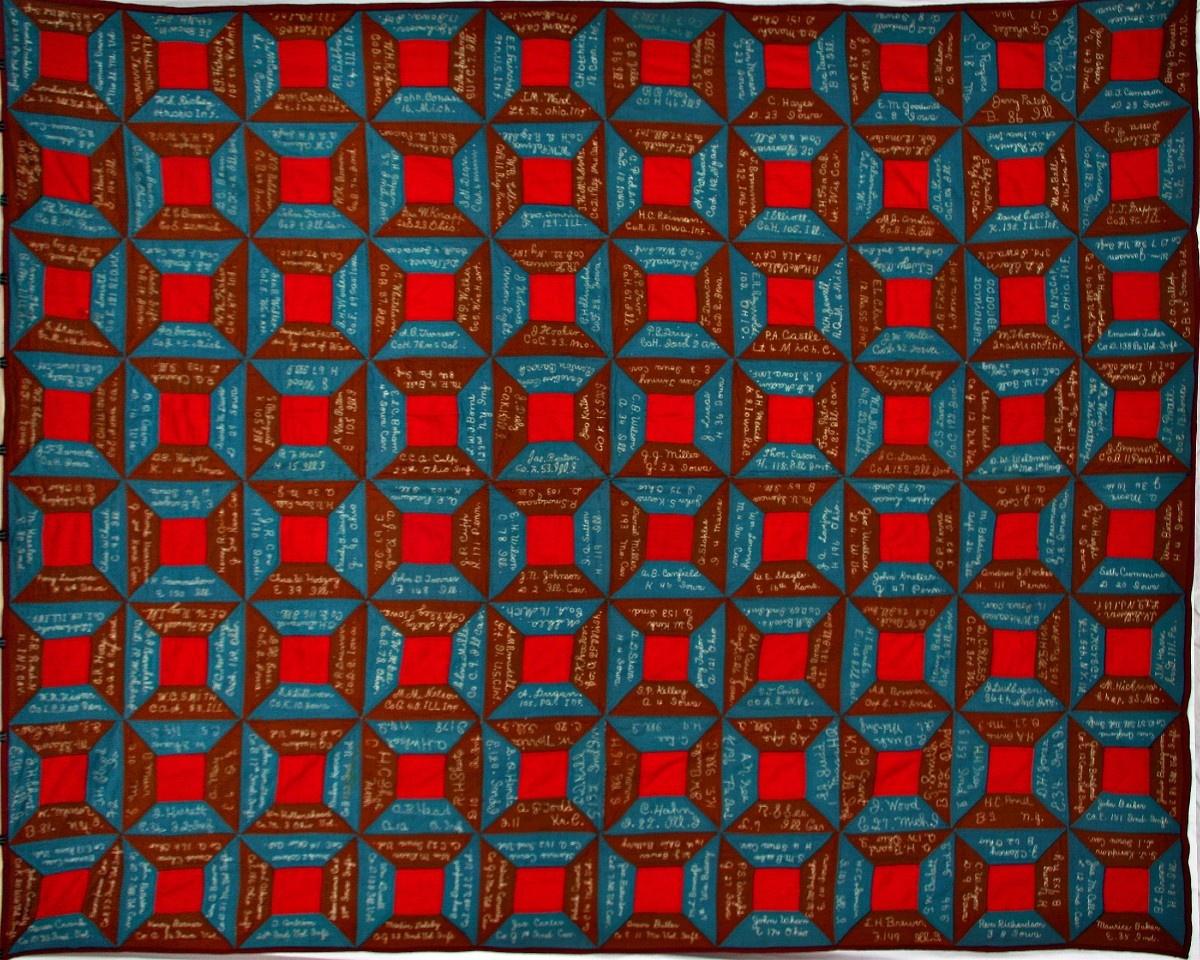
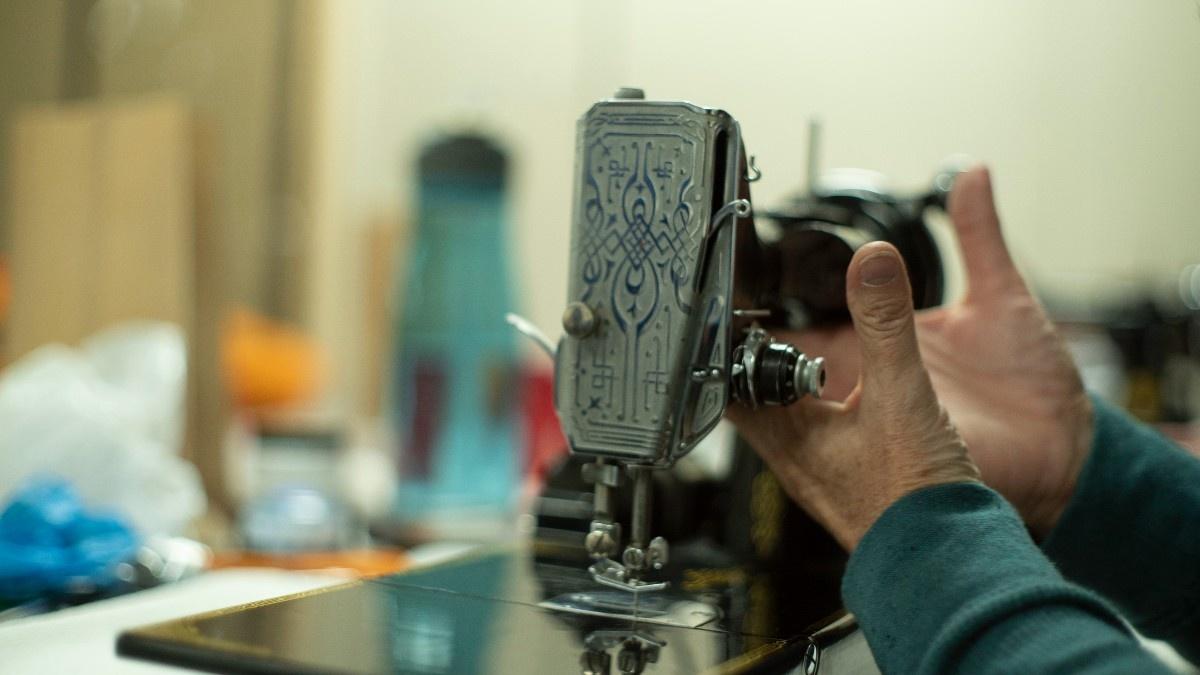
Interested in any heritage craft, Karen Murray-Boston is no stranger to diving down rabbit holes. She wanted to be involved in the journey of discovery. Her specific thread? She wanted to know how the quilt was made. To do that, she’d need to learn how to sew them. As a Valentine's Day gift, Richard Boston paid for her to attend a quilt-making class. It turns out modern quilters have a love for one sewing machine in particular: the Singer Featherweight 221.
Murray-Boston didn’t start out with the Featherweight. She had a modern inexpensive plastic machine.
“The gal teaching the class kept going, ‘Are you having problems sewing a straight line?’ I said, ‘Well, I'm trying. I'm doing the best I can.’” The teacher concluded Murray-Boston’s machine was the culprit, making it harder to learn how to sew. Murray-Boston remembered, “I kept saying, ‘You know, maybe I need a decent machine if I'm going to really do this.’”
Murray Boston recalled, “We were at the quilt shop one day, and this woman walks in and she says, ‘Do you know where I can list a sewing machine for sale?’ And I said, ‘Right here! What do you have?’”
The woman wasn’t selling a Featherweight, but she was selling a much nicer machine than what Murray-Boston had been using. Murray-Boston bought it and her lines were straighter. But, what was the woman replacing it with? A Singer Featherweight. She was traveling in an RV and wanted to keep quilting on the road and the Featherweight, true to its original intent, was the perfect portable sewing machine.
This was Murray-Boston’s introduction to the little workhorse of a machine. Shortly after her new purchase, she bought a Featherweight.
The little machine that could
The Singer Featherweight was in production from 1933 into the late 1960s. It was noticeably smaller than any other machine made and it all packed up tightly in a little carrying case. It was light to carry. It was a social sewing machine; you could actually take your machine to a gathering and sew with your friends.
“So the Singer Featherweight, which started to sell in 1933, (the first year) was $150. In 1933, that was a lot of money!” exclaimed Murray-Boston. “But by the time these machines had lived out their lives, they couldn't even sell them for $35. Which is very sad.”
In the 1960s, newer stream-lined machines were flooding the market that could do tricky stitches. All the Featherweight could do was a straight-line stitch. But, it did that really well and has out-lasted trendy market-based design. They are so popular today that it is hard to find one for under $400. Murray-Boston says some rarer ones can fetch up to $10,000.