
DONATE

Tribal Water Media Fellowship: The Reporter’s Notebook

Email share
The Tribal Water Media Fellowship is a collaboration between Fort Lewis College, KSUT, and Rocky Mountain PBS, giving students the opportunity to research, create, and present multimedia projects centering on water, water use, and Indigenous communities. This report, created as part of the 2023 Tribal Water Media Fellowship, comes from fellow Juliya Valdez.

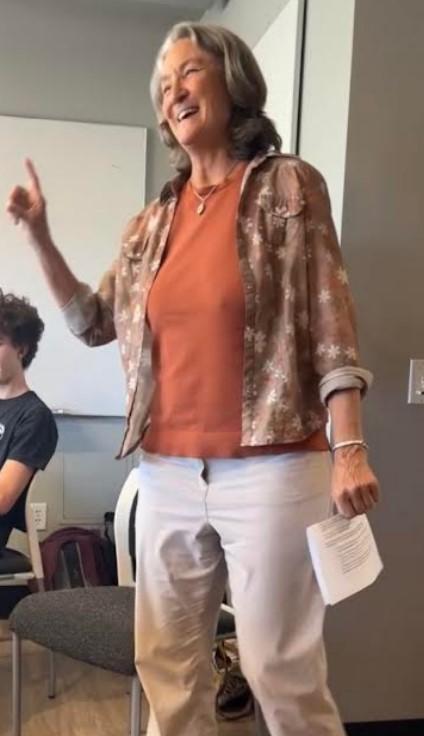
The Tribal Water Media Fellowship started out almost one week after Fort Lewis College Students completed their 2023 school year. This program was offered to current students and postgraduates. Pictured below are 12 fellows gathered for an informal meet and greet with professors, media instructors, mentors, and social influencers. During this time, fellows were told that the fellowship would be broken down in two intensive parts: Summer and Fall.

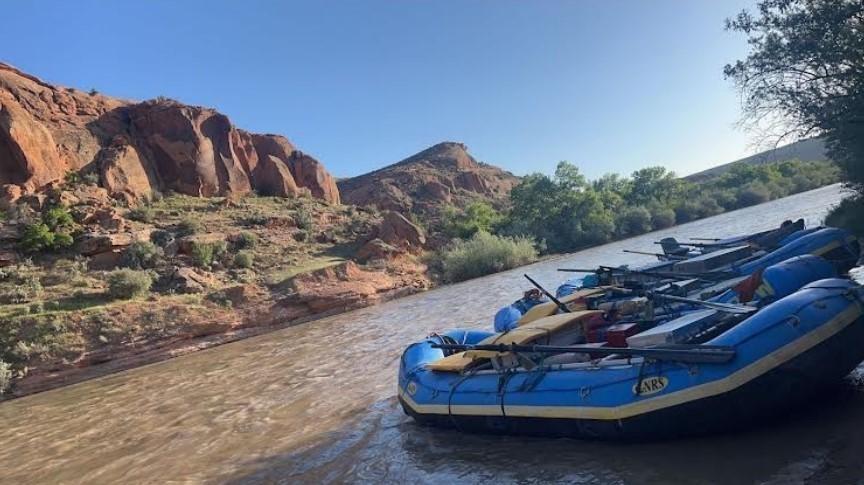
After introducing ourselves, we started the first of two main parts of the fellowship. The Summer Intensive took place May 8-17 on the Fort Lewis College campus, nearby field sites and the San Juan River FLOW (Fort Lewis On the Water) rafting trip.
Summer Intensive Session 2023

So began the start of the intensive program. On our first day, after the initial meet and greet, we arrived and started the first of many educational presentations about Tribal water laws and policy. We then headed to KSUT Radio Station in Ignacio, Colorado where we were introduced to staff and given a rundown on the operations of the station and a tour of the facility. Next, we had a catered lunch by by Mi Hito's, a local Indigenous-owned restaurant, then immediately dove into our afternoon session with KSUT executive director Tami Graham and filmmaker Carol Fleisher. We learned techniques of how to interview successfully. After a very busy afternoon of learning, we returned to campus and finished out the day with story planning and process preparations.

Filer image
Filer image

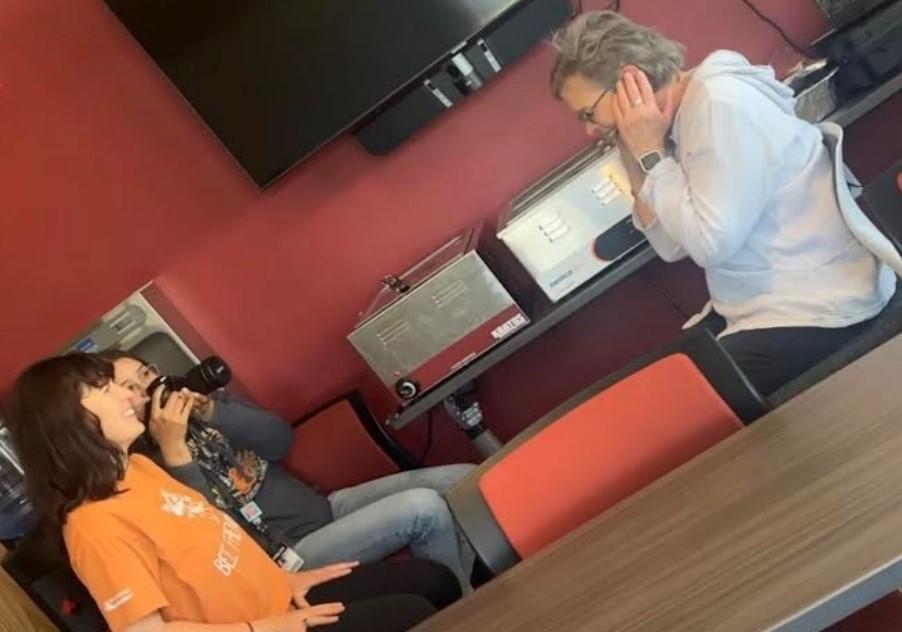
Tami Graham (left) and Carol Fleisher (far right) support students with audio techniques and interview processes. 

Day 3, we began the start of our Navajo Nation field trips and the FLOW rafting trip. As it turns out, this day would be one of the highlights of the trip for me. We visited the Navajo Dam infrastructure/reservoir and Navajo Agriculture Products Industry (NAPI). We got to hear Dr. Crystal Tulley-Cordova, the principal hydrologist at the Navajo Nation Department of Water Resources, speak about water issues and how the upper Colorado Basin impacts Navajo Lake and Lower Basin waterways. We then took a tour at NAPI and got to see the inside of the control panel area where water gates are electronically opened and closed and where water flow can be released.

Fellows at Navajo Dam. 

This was an amazing opportunity for us to see how large the river basin is and all the regions/states it directly affects. That really opened my eyes about the impacts of the water in this area. On our way out, we stopped by the NAPI store and picked up some goodies (frybread mix, cornmeal mix, etc.) and headed off to San Juan River to start our rafting trip.

After a few hours of bus travel, we finally arrived at Sand Island. We would be spending the night here. But first, we got to meet our river guides and choose our camping spot for the night. I chose a nice little shaded area under a tree. In my trip planning, I chose comfort over convenience and even brought a tent cot — that I regretted. Once my overly-complex tent set up was complete, we got ready for dinner and finally, time to feast. After dinner and a change into warmer clothing, we gathered by the fire as a group and went over the next day’s game plan.

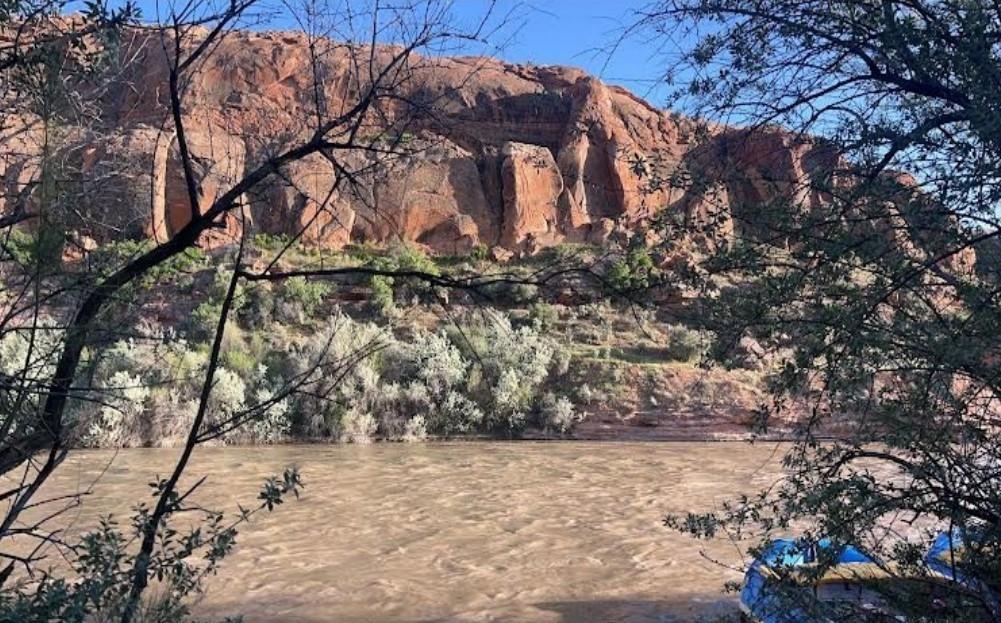
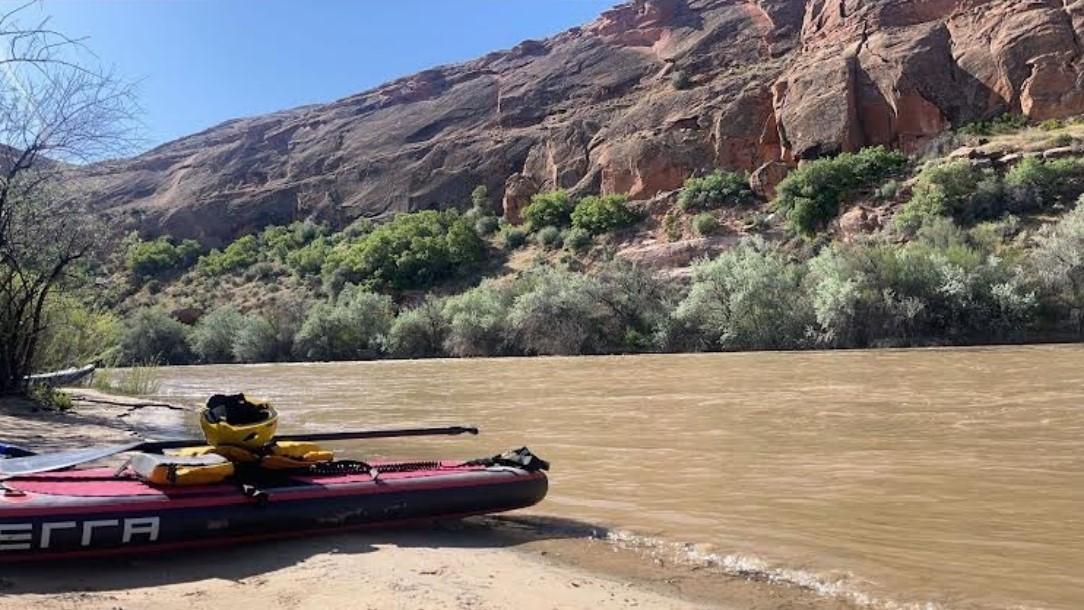
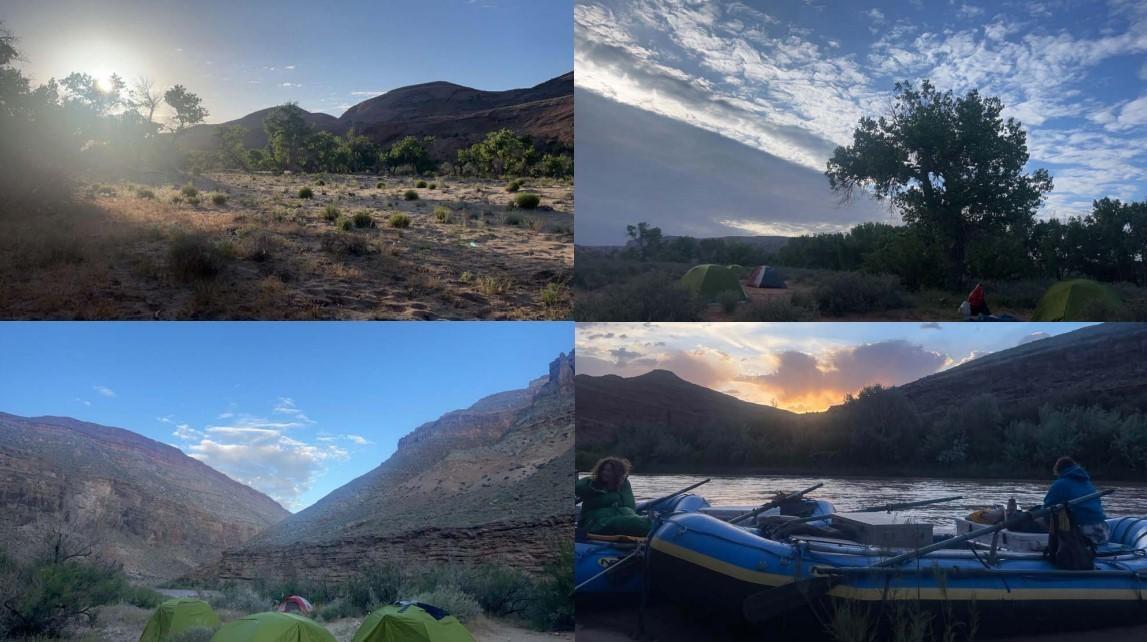
From our launch, days 4-7 were all about rafting and visiting cultural sites, brainstorming projects, learning water science and management through group talks. During our downtime, we continued practicing our audio/photo journaling and interview skills. One evening, we also had a presentation from expert-in-residence, Colten Ashley, which provided an opportunity to share the fellows’ insights on how we all view identity, culture and respect from different individualized perspectives. It also gave us insight on how these all play an integral role in how we view the world today. During this time, we were also given a four-picture project to do. This project entailed taking four pictures of whatever we wanted and incorporated them into storytelling. I chose to do a poem. I took as many pictures as I could before my phone battery died. The rest are saved via brain memory. We would then raft 26 river miles through beautiful winding scenery to our take-out location at Mexican Hat.

On the last day of the summer intensive, I was able to gift my fellows with Tribal Fair t-shirts. We would finish out the day with our project pitches and everyone was off to start their summer. We would reconvene in the fall for Fall Intensive.

Fellow Interview: Lucero Dayzie

One evening in the fall, I was finally able to arrange a brief interview with Lucero Dayzie, one of my fellows. My recorder battery was dead so I had to write the interview down as I went. Here is the transcribed version.

Juliya Valdez: Good Evening, thank you for taking the time out of your evening to conduct this interview with me.

Lucero Dayzie: Oh ya, no problem.

JV: Ok, lets get started. First question: how did you find out about this fellowship?

LD: My instructor/advisor mentioned it in my public health class.

JV: What piqued your interest to follow through with this fellowship?

LD: The opportunity to gain knowledge about water issues... and the rafting. [I've] never been so it looks like fun.

JV: During the fellowship, what presentation most interested you?

LD: I think the presentation at NAPI about the Indigenous foods. That is what sparked my project idea.

JV: And what project idea was that?

LD: I am going to present my project on the red sumac berry and how water affects it.

JV: Very cool. I look forward to seeing your presentation and thank you for your time.

Sunrise, Sunrise

By: Juliya Valdez

As a child, I was always
told to rise with you

As an adult, I rise with you

U bring the sun and the
sunrays

Thank you, Creator for
allowing me another tavay
- day!

Toghoyaqh- Thank you 

2023 Tribal Water Media Fellowship: Final Projects

The Tribal Water Media Fellowship program propelled eight Fort Lewis College students into the forefront of artistic, research, and storytelling realms focused on tribal water issues. Each fellow, with their unique blend of creativity and passion, chose subjects that ranged broadly—from the intricacies of water rights to personal narratives related to tribal water.

The students' mediums were as diverse as their topics, encompassing podcasting, documentary filmmaking, and spoken word. The quality of their projects is a testament to their dedication and offers insightful perspectives on crucial water-related challenges faced by tribal communities. These projects not only highlight the importance of water in tribal cultures but also pave the way for continued dialogue and action in this vital area.

Coming Home: A Story of Seeds

They Call Me Water

African Tribal Water
Beaver Pod


Indigenous Water Rights: Navajo Nation

Related videos

NATIVE LENS

Native Lens is a collaborative film and video project that provides training initiatives and showcases films produced by Indigenous peoples in North America. By sharing firsthand Native perspectives, Native Lens works to amplify Indigenous stories through the lens of film.

Spotlight Newsletter

Community stories from across Colorado and updates on your favorite PBS programs, in your inbox every Tuesday.

Sign up here!