

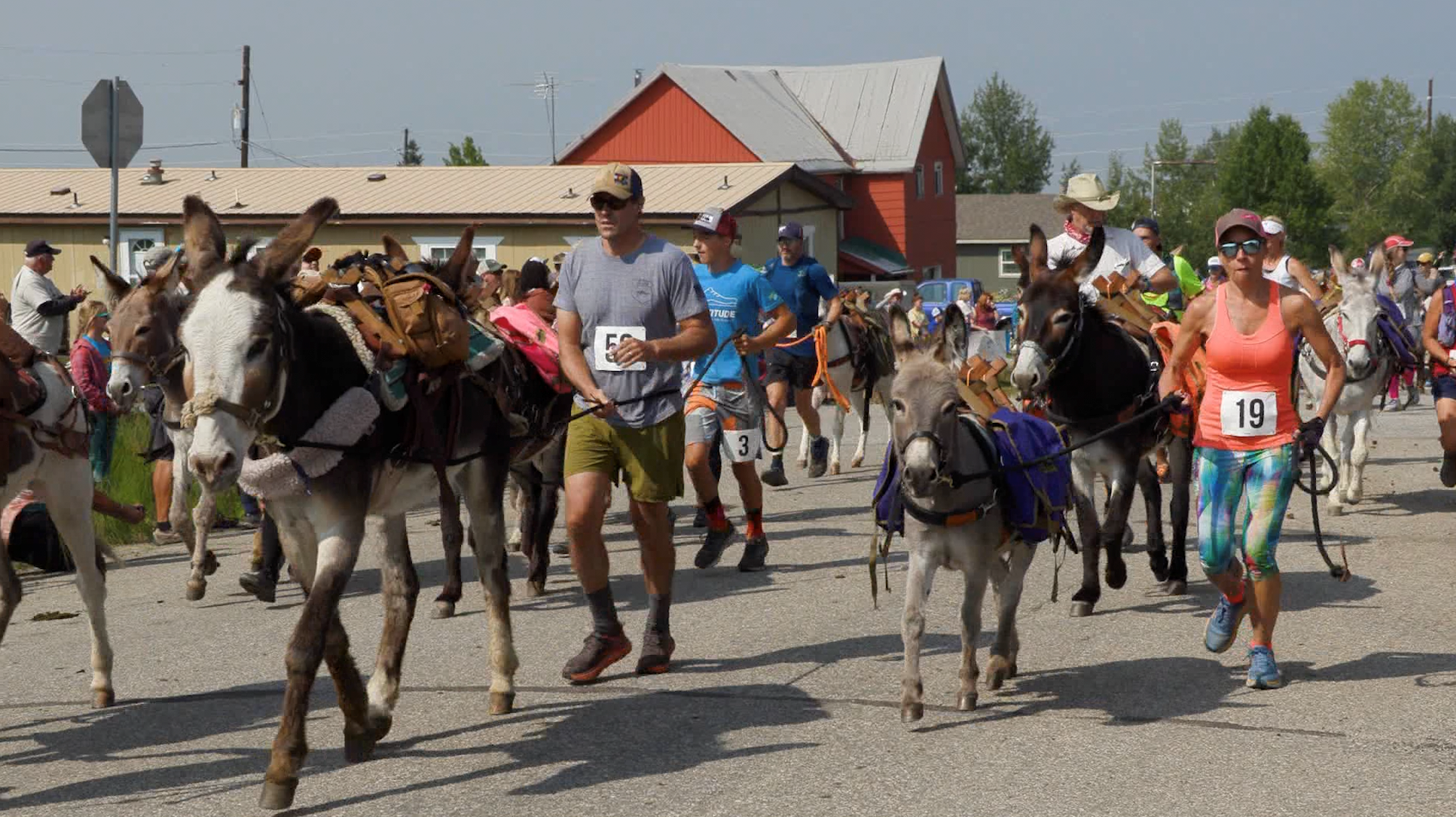
LEADVILLE, Colo. — A call to the starting line in a Colorado mountain town during the summer months often means tennis shoes and hooves tromping over together, ready to race side-by-side. Burro racing isn’t for the faint of heart; it not only demands physical prowess but also the mental stamina to deal with a donkey who is known to be a bit stubborn at times.
“You have to have a relationship with it. You have to start training. You build this great camaraderie with these guys so that they are trusting you,” said Brad Wann with the Western Pack Burro Association (WPBA).
The WPBA seeks to continue a great sport begun by some of Colorado’s 19th-century miners. Back then, burros, or a small donkeys, were used to carry a miner’s tools and supplies so the miner could walk along side it. According to the WPBA, legend has it that two miners found gold in the same location and raced each other back to town to be the first to stake a claim to the treasure. Later, burro racing became more of an official sport as a way to save dwindling mining towns.
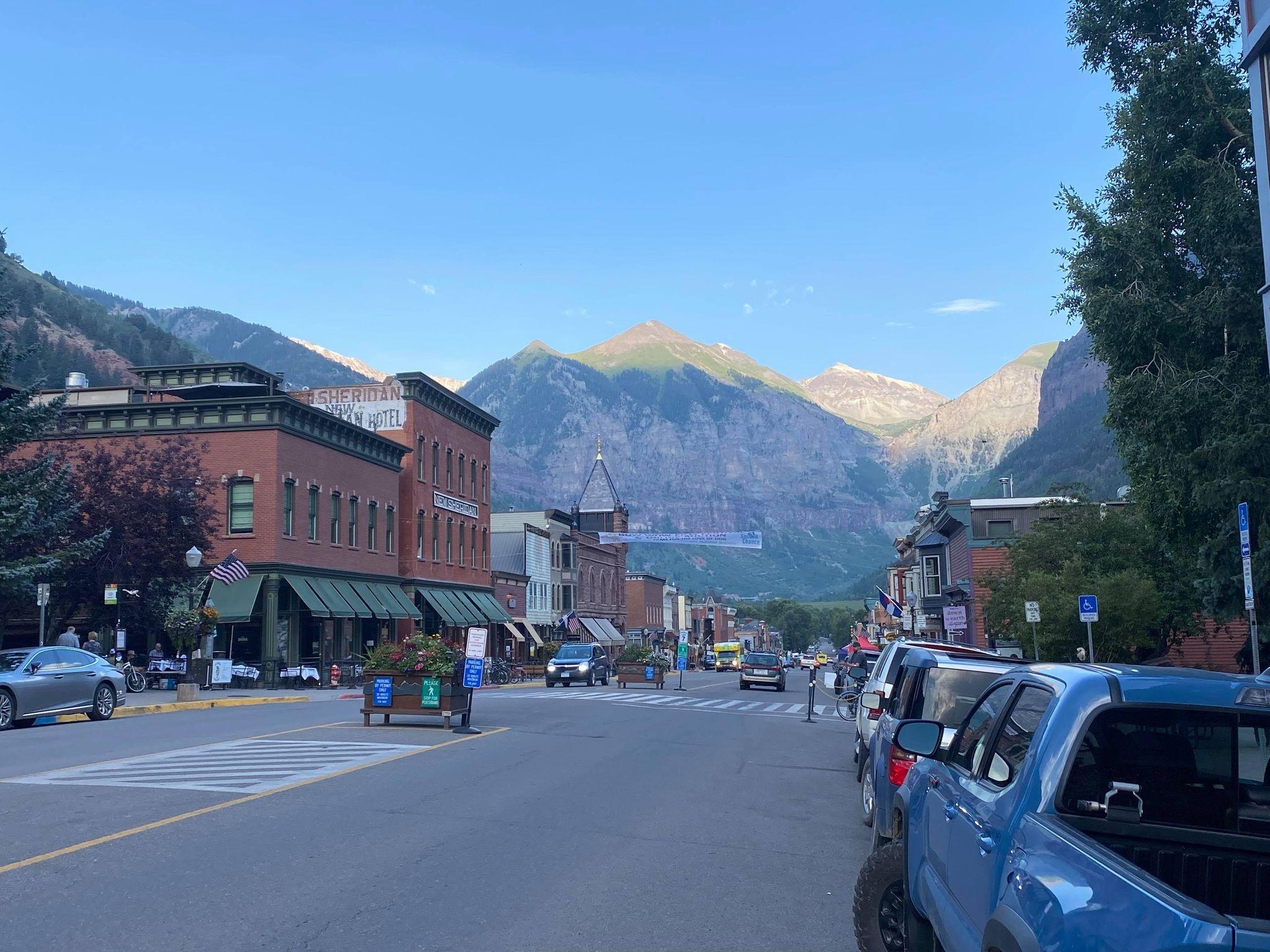
“Here in the great state of Colorado, some of these towns were turning into ghost towns pretty quick,” explained Wann. “And burro racing came along, and it became a great way for tourists to come and see the heritage of the town and what the town’s always meant.”
Races have taken place around the state since the late 1940s, but Wann estimates fewer than 1,000 people have ever participated over the course of the sport's 73-year history.
“There’s a lot more to it than just being a good runner,” said Wann.