

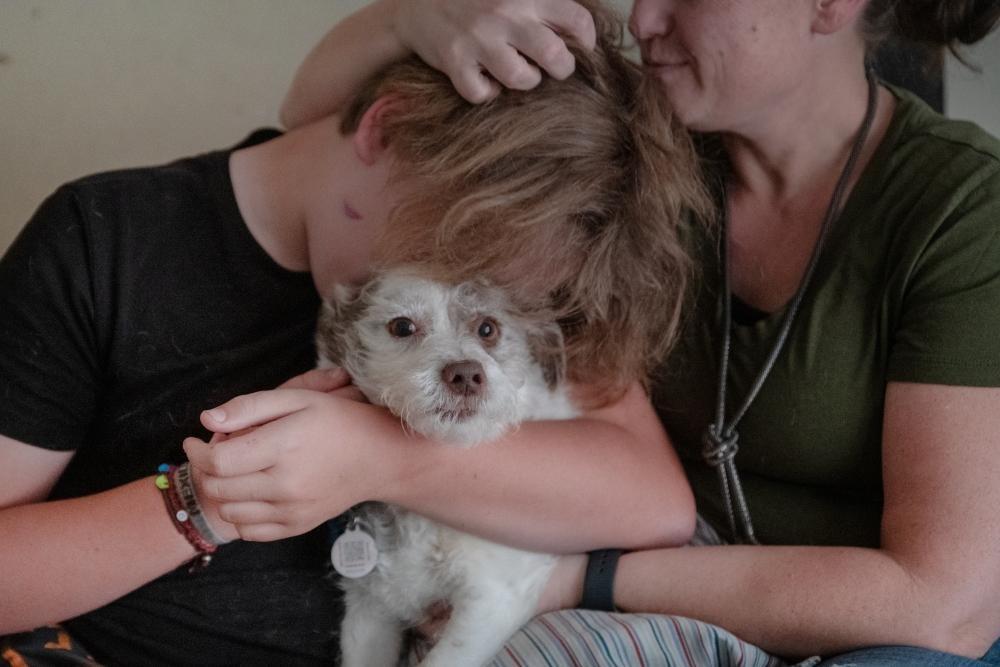
Erin Schneiderman used to get calls in the middle of the day two or three times a week to pick her son up from his Denver elementary school.
The third-grader had run away or was standing in the hallway screaming. Meltdowns could last for hours. School was just too loud and crowded, with too much unpredictability, for a child with autism who craved routine.
Denver Public Schools decided Schneiderman’s son should go to a privately run school that specializes in serving children with intense behavioral, mental health or special education needs. But when it came time to start fourth grade, he still didn’t have a spot. The boy spent two months at home, most of that time getting no education at all.
Today, nearly five years later, the few options for Colorado students like Schneiderman’s son have dwindled further. In 2004, Colorado had 80 of these specialized programs known as facility schools. Now there are just 30 that serve an estimated 4,000 to 5,000 children a year. A single school serves all of western Colorado. On the Front Range, another school is set to close soon.
Meager state funding, dire staffing shortages and changes to federal law have pushed the system to the brink. Lawmakers hope a cash infusion and regulatory changes will spur the opening of new schools — even as school districts are seeking their own solutions.
When there’s no open facility school seat, children may languish at home. They may remain in a mental health facility longer than they need to, taking up a bed that could be used by another child stuck in in a hospital emergency room. Or they may stay in classrooms, struggling to learn, coming undone, lashing out almost daily and disrupting the learning of their classmates.
Parents pay the price in lost jobs, and children pay the price in squandered potential.
Public schools have an obligation to educate every child. Facility schools — which operate at the crosscurrents of education, mental health, disability and trauma — serve as placements of last resort when public schools can’t or won’t meet a child’s needs.
“K-12 was set up to educate the masses,” said Cori Woessner, a career public school educator who isn’t sure her own son with disabilities would have finished high school without the more supportive environment provided in facility schools.
“We’re not talking about the masses. We’re talking about the kids with the most severe needs that need the most support to be a productive member of society. To even have a chance at it.”
Facility schools balance academics and therapy
Facility schools are neither mental health facilities nor schools in the way most people might think about them. Operating as day treatment centers or residential facilities or tucked into hospitals, they offer academic programs within larger therapeutic settings.
Some critics say facility schools too often end up warehousing kids who, with more support, could have stayed in their home schools. Oversight is spread across multiple state and local agencies. When a school district recommends a facility school, parents have no easy way to know if the school is good or safe, though they rarely get a choice about placement.
The goal is to help children stay on an academic path while developing the skills they need to function in a public school before sending them back.
Some facilities serve children in foster care who need mental health care, or children in the juvenile criminal system who need treatment before returning home. The more common scenario is that students live at home and school districts send them to day treatment programs.
“Once we make that decision, it’s not because we don’t like kids and we’re sending them somewhere else,” said Callan Ware, the executive director of student services in Englewood Schools, a small district south of Denver. “We are saying we like them so much, we care about them so much — and we’re admitting to you we don't have what it takes to support them and we’re going to find it and we’re going to pay for it.”
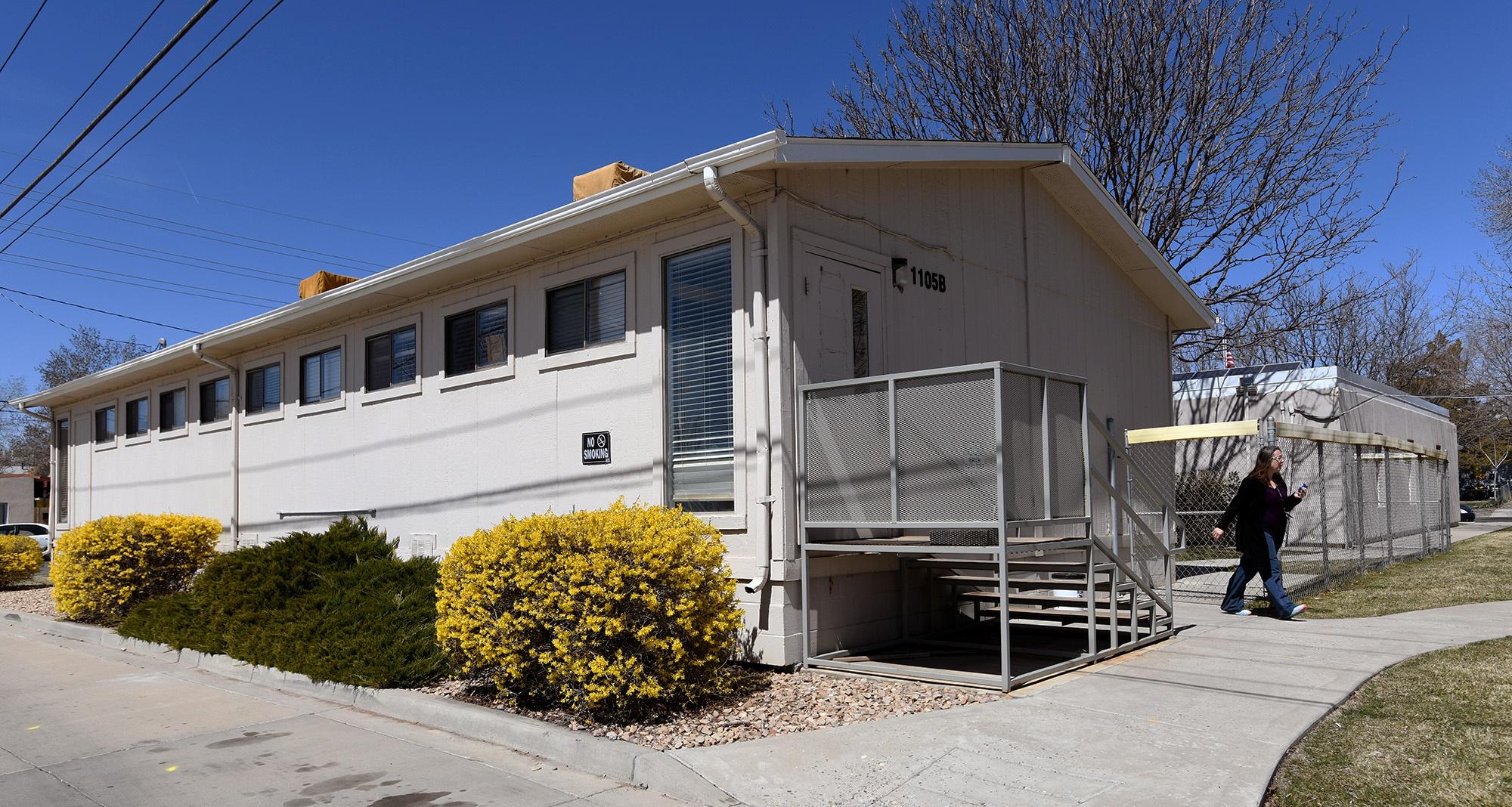
The Tennyson Center for Children is a facility school located in a bright, modern building in a residential Denver neighborhood. It serves about 50 metro-area students in kindergarten through 12th grade. The staff seems to have endless patience for behavior that would likely get a student kicked out of public school.
On a recent Friday, a middle schooler raged in a stairwell and called the principal a “fucko” because the school removed the game platform Roblox from its computers.
A high schooler who couldn’t sit still tossed a foam basketball at a staff member’s face as she drank from a water bottle, soaking her shirt.
And an elementary student ran up and down the hallway letting out a series of screams between his spelling words and math problems.
The boy was working with a staff member in one of the “nooks” — a small recessed room without a door where students can retreat if they’re feeling overwhelmed.
“I don’t want to do any more work!” the boy said, coming out of the nook and kicking the wall.
“To earn our positive breaks with staff, we have to complete work,” the staff member said, reminding the boy that he was working toward earning computer time in the library.
“It’s hard for me,” the boy said. He asked why his classmates, who had just completed a worksheet on Presidents Day, were earning points for good behavior and he wasn’t.
“Because they stay in class,” the staff member calmly told him as he pouted and fumed. “Part of the expectation of being in school is staying in class.”
The boy went back into the nook and screamed again.
The Tennyson Center For Children, founded in 1904, provides community programs, schooling and daycare services to children who are neglected or abused. (Olivia Sun, The Colorado Sun via Report for America)
When funding dries up, kids are funneled down
Children with these challenges were once institutionalized.
“Almost every general hospital had a kids’ psych unit, and they were all full,” said Skip Barber, a retired child psychiatrist who worked at state mental health institutions and facility schools.
The psychiatric facilities created their own schools. But since the 1990s, the philosophy has shifted away from institutionalization and toward community-based care. Residential treatment programs began receiving kids in crisis who previously would have gone to hospitals. Day treatment programs took kids who would have been placed in residential facilities.
And more kids just stayed in public schools.
The Medicaid dollars that supported the previous system dried up. Twenty residential treatment facilities closed in Colorado between 2007 and 2017, according to newspaper reports. On the heels of those closures, Congress passed the Family First Prevention Services Act, which sought to keep more children with relatives or foster families and placed limits on government-funded residential care.
More residential programs closed, taking their associated facility schools with them or reducing capacity. Options in rural Colorado — where the nearest school might be hours from home — became even scarcer.
“Great if we move away from facilities that aren’t cutting the mustard or doing what we need, but now we’ve gone too far,” said Becky Miller Updike, executive director of the nonprofit Colorado Association of Family and Children’s Agencies, which represents residential facilities.
.jpg)