

EAGLE COUNTY, Colo. — Amanda Shelley was sitting in her dentist’s waiting room when she received a call from the police. A local teenage girl had been sexually assaulted and needed an exam
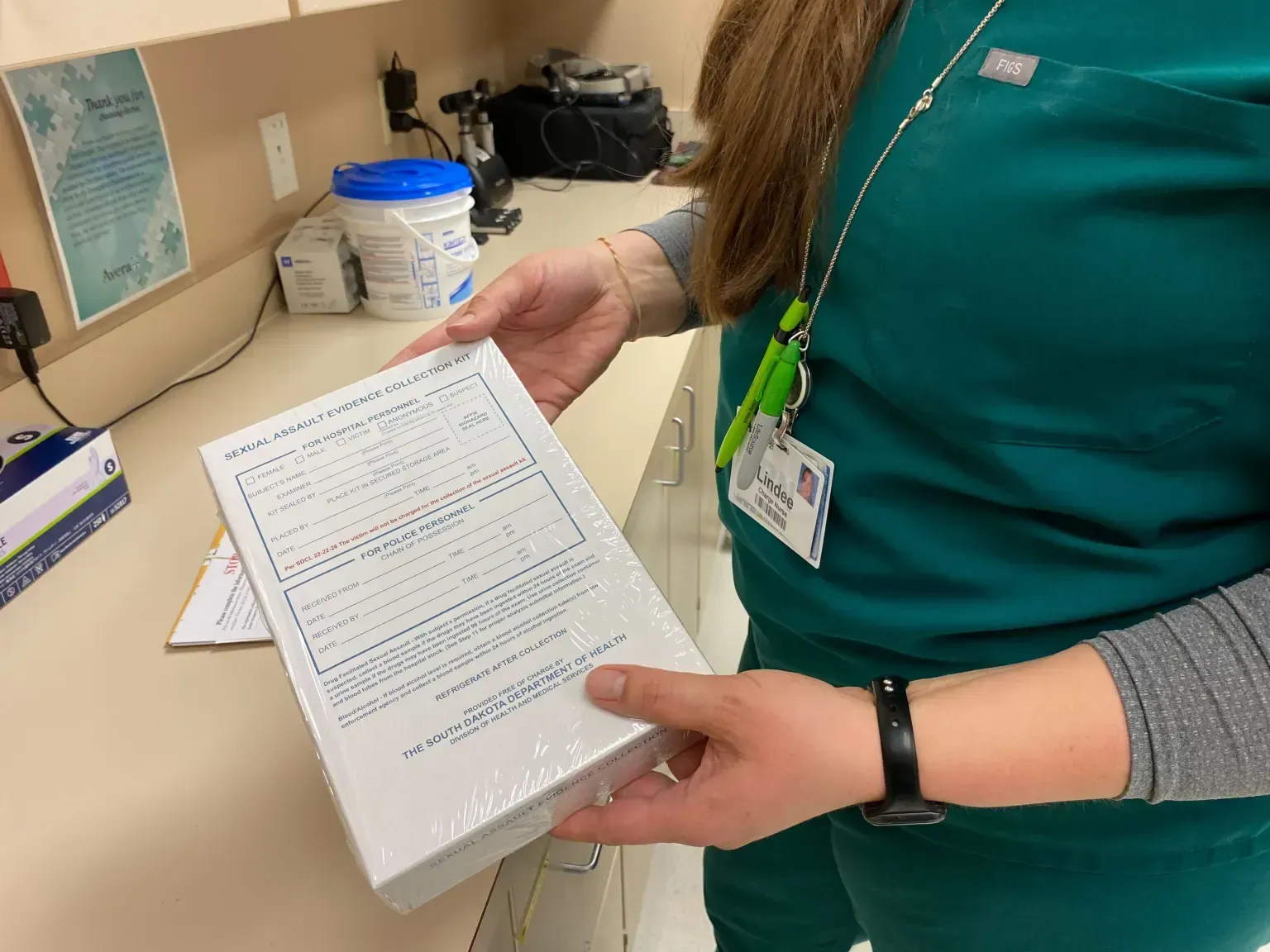
Shelley, a nurse in rural Eagle County, Colorado, went to her car and called a telehealth company to arrange an appointment with a sexual assault nurse examiner, or SANE. The nurse examiners have extensive training in how to care for assault survivors and collect evidence for possible criminal prosecution.
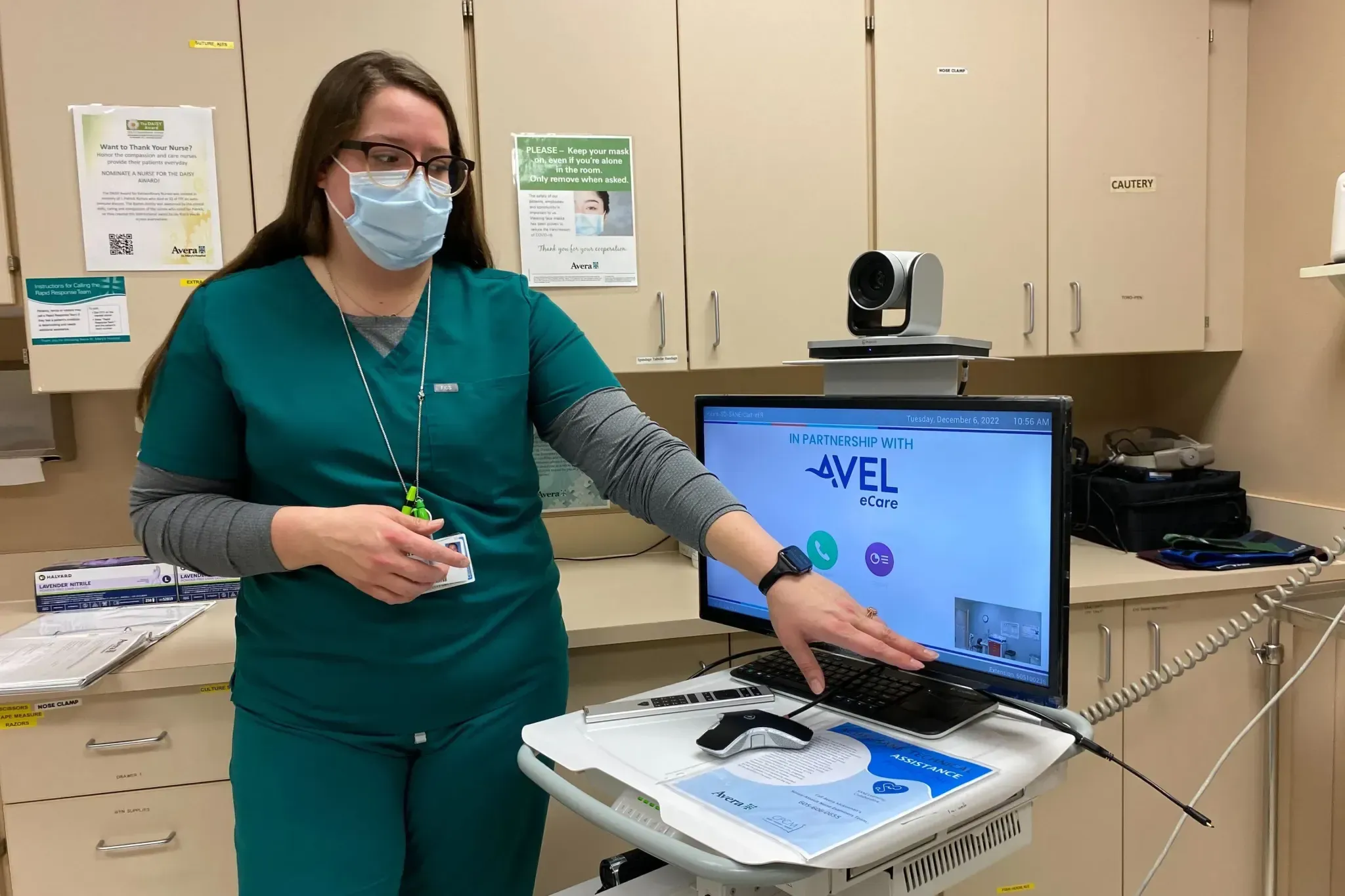
About an hour later, Shelley met the patient at the Colorado Mountain Medical urgent care clinic in the small town of Avon. She used a tablet to connect by video with a SANE about 2,000 miles away, in New Hampshire.
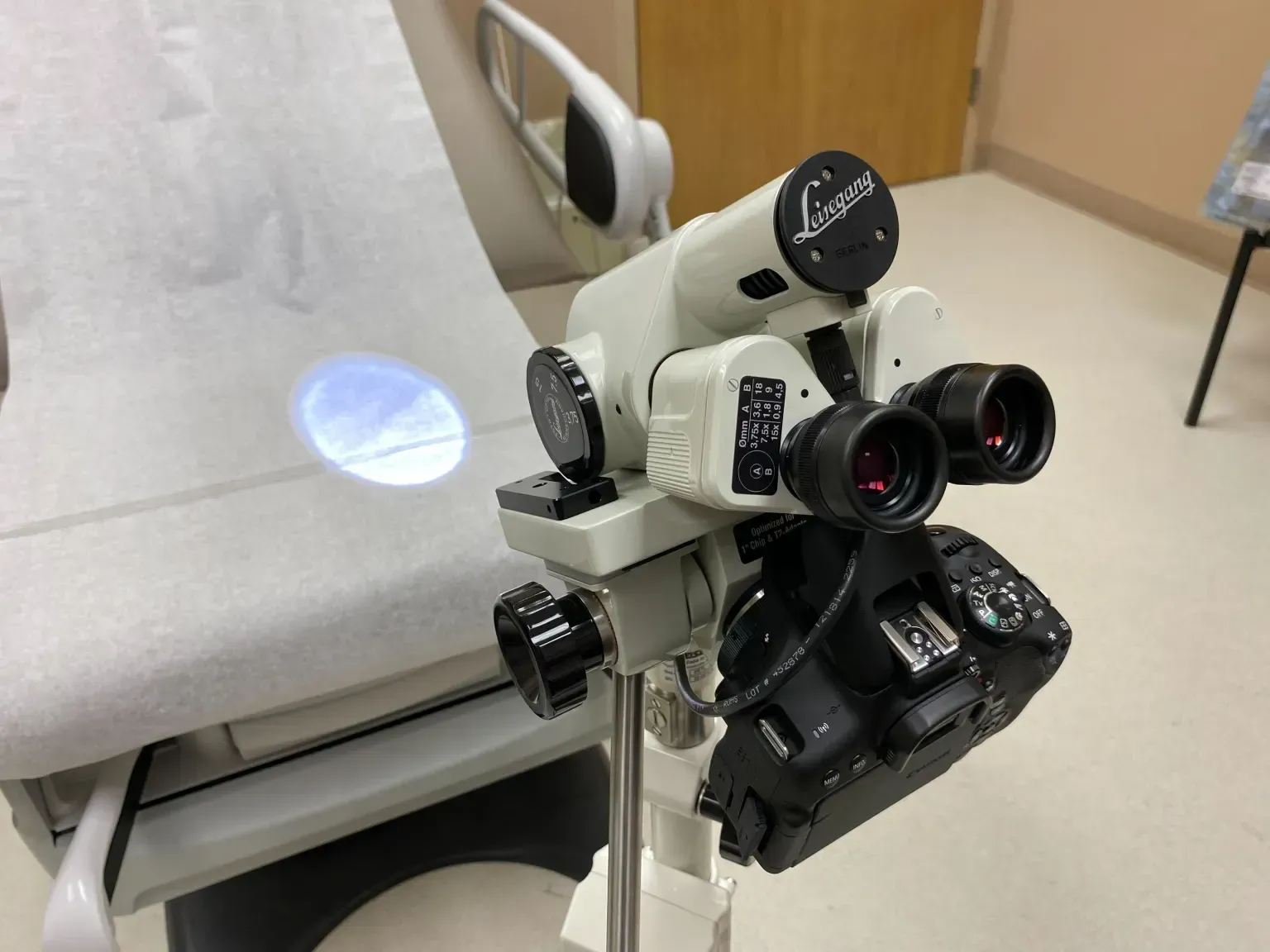
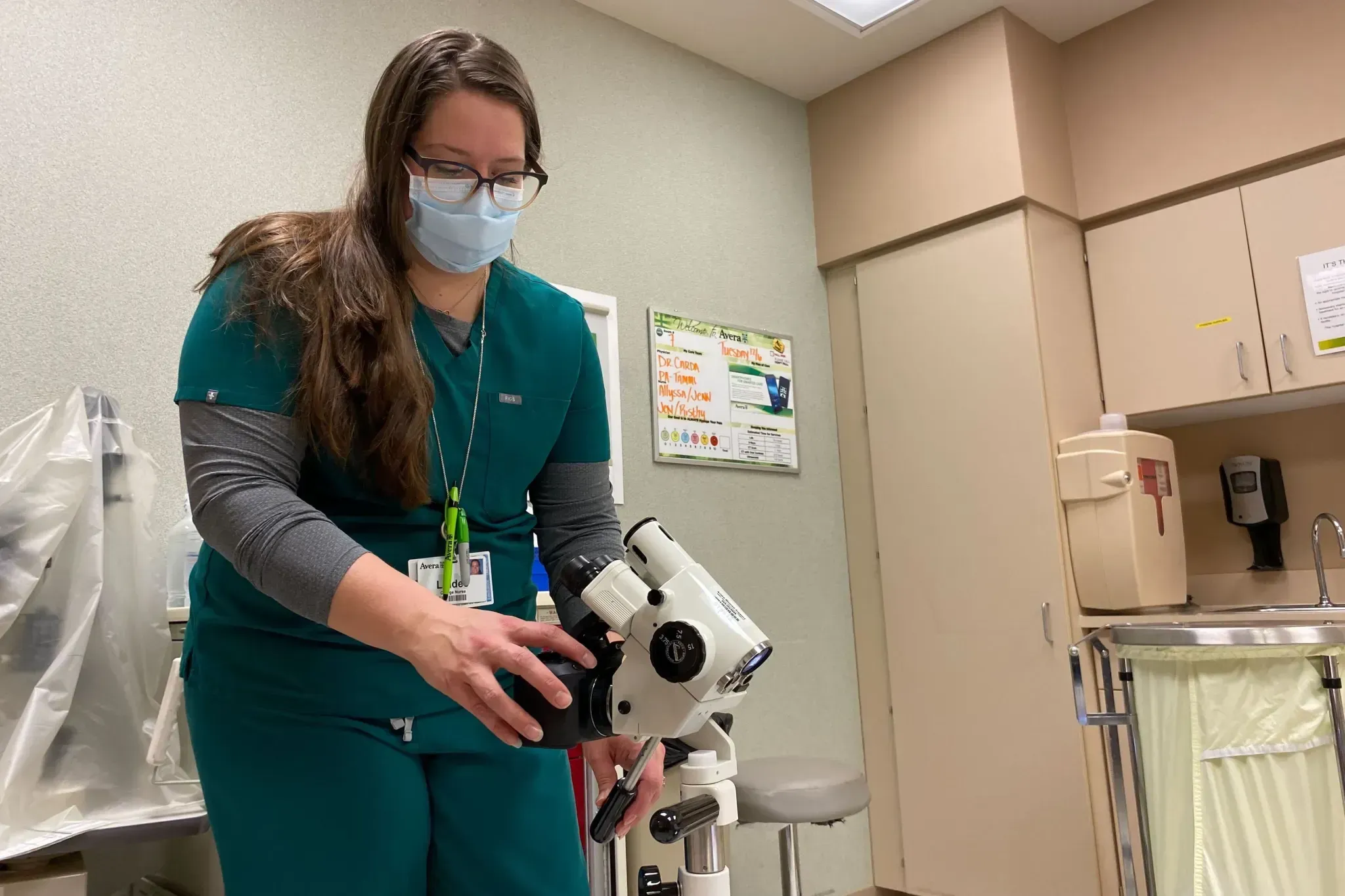
The remote nurse used the video technology to speak with the patient and guide Shelley through each step of a two-hour exam. One of those steps was a colposcopy, in which Shelley used a magnifying device to closely examine the vagina and cervix. The remote nurse saw, in real time, what Shelley could see, with the help of a video camera attached to the machine.
The service, known as “teleSANE,” is new at Shelley’s hospital. Before, sexual assault patients faced mountains of obstacles — literally — when they had to travel to a hospital in another county for care.
“We’re asking them to drive maybe over snowy passes and then [be there] three to four hours for this exam and then drive back home — it’s disheartening for them,” Shelley said. “They want to start the healing process and go home and shower.”
To avoid this scenario, teleSANE services are expanding across the country in rural, sparsely populated areas. Research shows SANE programs encourage psychological healing, provide comprehensive health care, allow for professional evidence collection, and improve the chance of a successful prosecution.
Jennifer Pierce-Weeks is CEO of the International Association of Forensic Nurses, which created the national standards and certification programs for sexual assault nurse examiners. She said every sexual assault survivor faces health consequences. Assaults can cause physical injuries, sexually transmitted infections, unwanted pregnancies, and mental health conditions that can lead to suicide attempts and drug and alcohol misuse.
“If they are cared for on the front end, all of the risks of those things can be reduced dramatically with the right intervention,” Pierce-Weeks said.
Pierce-Weeks said there’s no comprehensive national data on the number and location of health care professionals with SANE training. But she said studies show there’s a nationwide shortage, especially in rural areas.
Some rural hospitals struggle to create or maintain in-person SANE programs because of staffing and funding shortfalls, Pierce-Weeks said.