

INDIAN HILLS, Colo. — Talk to Indian Hills residents, and it’s apparent they love their town. While it has changed since its official start in 1923, it still has the same community feel.
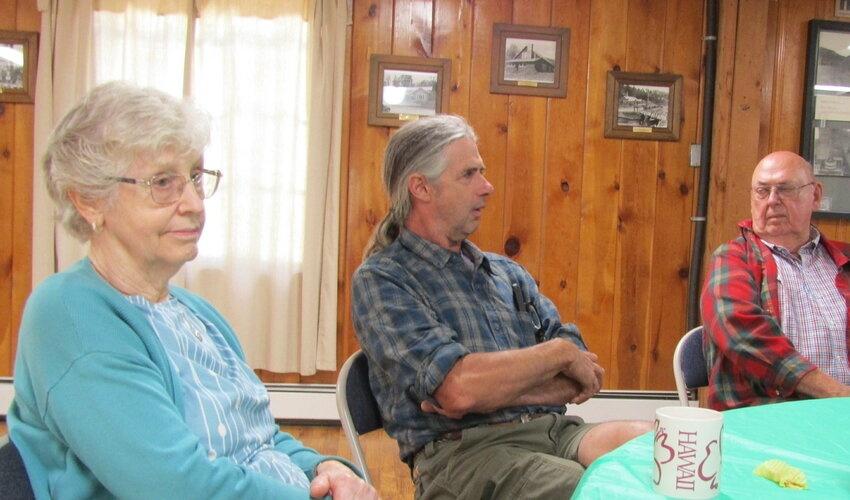
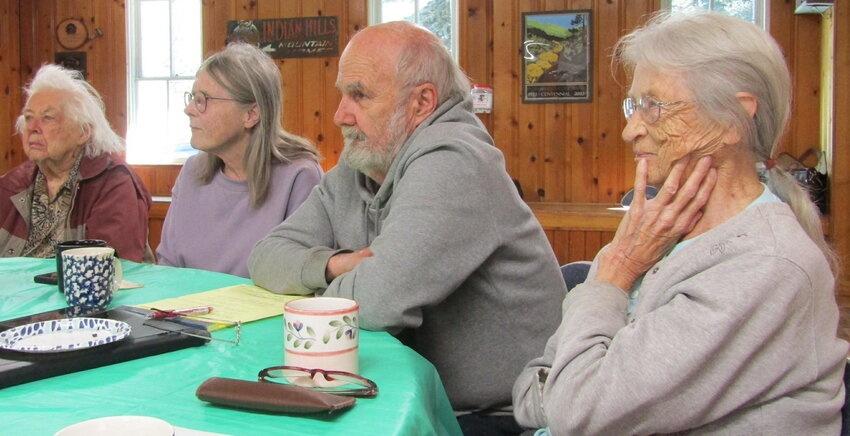
It’s a place where locals come out for the Fourth of July parade, a hometown staple since 1923. It’s where they have Thursday morning pancake breakfasts at the Indian Hills Community Center and everyone is welcome — whether oldtimer or newcomer.
Indian Hills is celebrating its 100th birthday Aug. 18-20 with a barbecue, open house at the community center, sealing of a time capsule and more.
“I hope I’m able to stay here,” said Charlotte Samuelson, who moved to Indian Hills in 1970. “There are so many wonderful people.”
Although she was leery about moving to Indian Hills at first, “it didn’t take long to love it.”
“I would never leave,” said Angie Oliver-Reed, who moved to Indian Hills in 1991. “The whole place is magical.”
Max Lankston said after getting married in Seattle in 1965, his wife wanted to show him where she spent her summers as a girl, so they traveled to Indian Hills, fell in love with the place and bought a cabin.
“We decided this is the place we wanted to be,” Lankston said.
Early history
The Indian Hills Improvement Association’s website provides an extensive history of the area. The following are excerpts:
The first people to settle the area came in the 1860s to the area first called the North Fork of Turkey Creek and then Parmalee Gulch after one of the earliest settlers in the valley, John D. Parmalee. He owned the Denver and Turkey Creek Wagon Road Co. and constructed a wagon road leading from Denver through Turkey Creek Canyon toward South Park, according to the website.
In 1918, George Olinger of Olinger Mortuaries in Denver began to buy land to develop summer cabins, to be called Indian Hills, the history said.
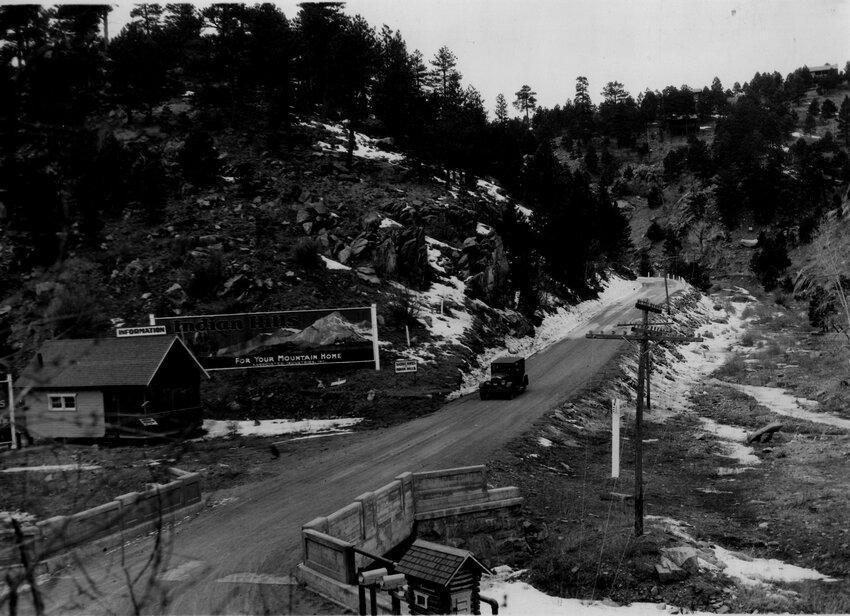
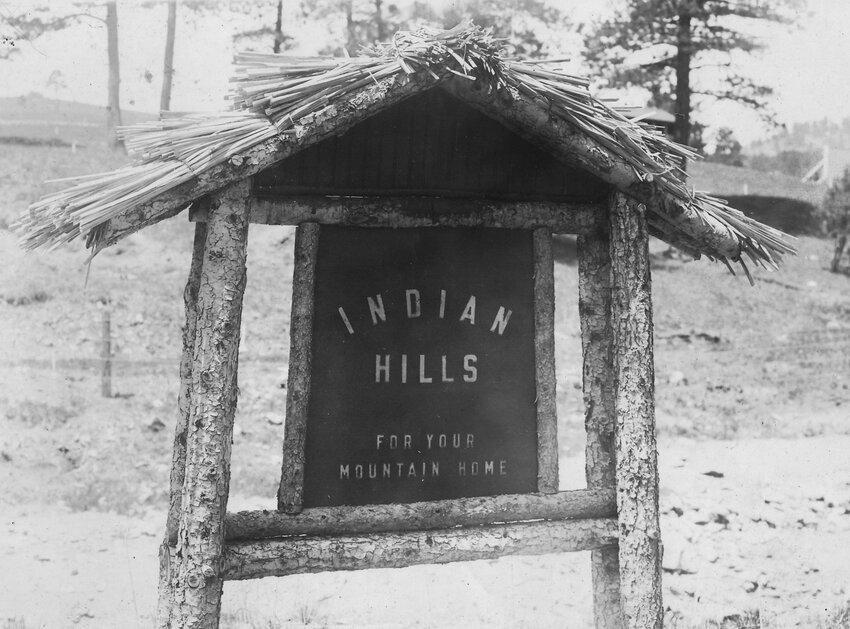
“Olinger bought the 160-acre quarter-section at the mouth of Parmalee Gulch and christened it Arrowhead Park, the first filing of Indian Hills, in 1923,” the history said. “Large billboards were placed at the Turkey Creek and Bear Creek entrances to Parmalee Road advertising ‘Indian Hills for Your Mountain Home.’”
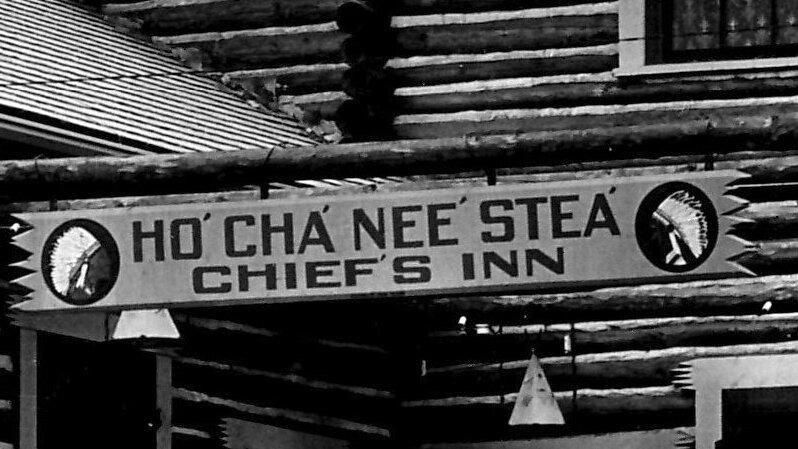
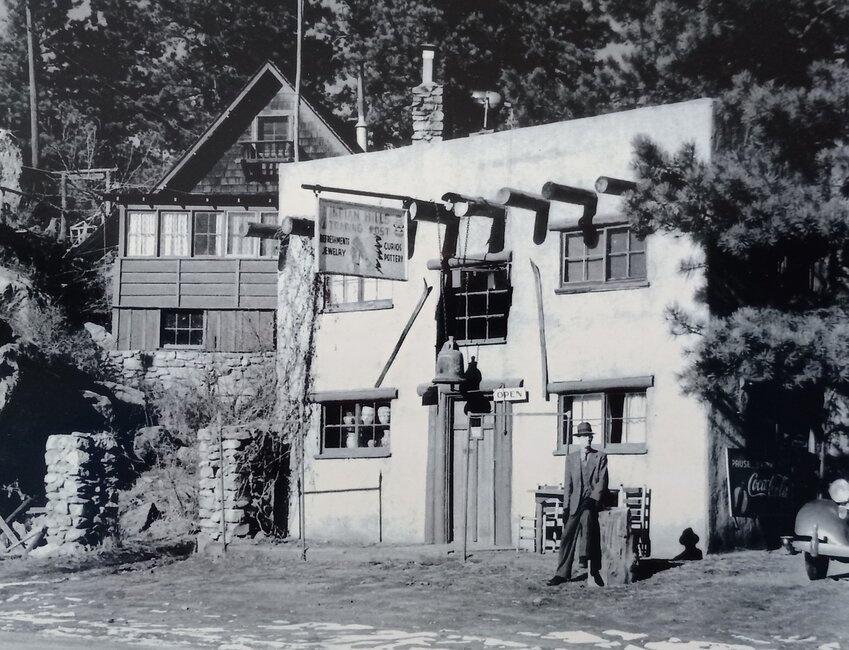
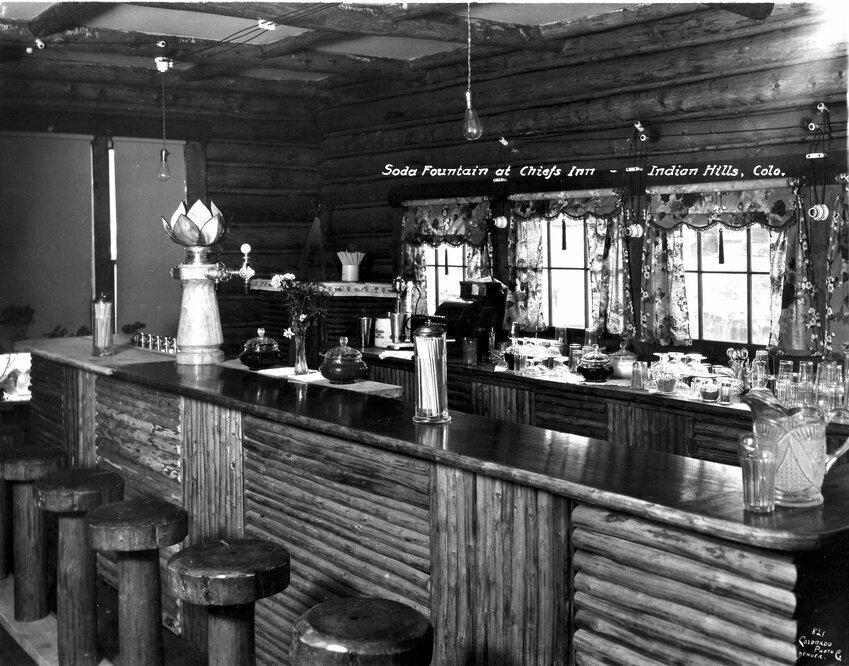
Ho’ Cha’ Nee’ Stea’, or Chief’s Inn, a tea room and soda fountain, was built near the entrance to Indian Hills, and it was the first stopping place for buses or cars bringing sightseers and prospective buyers to Indian Hills. The building was across from the present post office, and it later became a grocery store called The Trading Post. Then it was a private residence, Mirada Fine Art Gallery and now The Meeting Sanctuary.